
What Does a Premises Liability Lawyer Do for Your Injury Claim?
A premises liability lawyer can secure compensation for injuries from unsafe property. For a free case evaluation, call (833) 227-7919.

By Saffron Blake
You are walking through a grocery store aisle when your foot catches on a torn, wet floor mat, sending you crashing to the ground. You are visiting a friend’s apartment and trip on a broken, unlit stair in a dark common hallway. You are at a public park with your child when a poorly maintained piece of playground equipment collapses. These are not just unfortunate accidents. They are often preventable incidents where a property owner’s negligence led directly to your harm. In the aftermath, dealing with pain, medical bills, and lost wages is overwhelming, and the property owner’s insurance company is rarely eager to offer fair compensation. This is where the specialized knowledge of a premises liability lawyer becomes not just helpful, but essential. These attorneys focus on the complex area of law that governs injuries occurring on someone else’s property, fighting to hold negligent owners accountable and secure the recovery you need to move forward.
Understanding Premises Liability Law
Premises liability is a legal doctrine that holds property owners and occupiers responsible for injuries that occur on their property due to unsafe conditions. The core principle is that those who control land or buildings have a duty of care to keep them reasonably safe for visitors. This duty varies depending on the legal status of the person entering the property. Traditionally, visitors are classified as invitees (someone invited for a mutual business or commercial purpose, like a store customer), licensees (social guests), or trespassers. The highest duty is owed to invitees, requiring the owner to actively inspect for and remedy dangerous conditions or provide adequate warning.
A premises liability claim hinges on proving negligence. Your premises liability lawyer must establish four key elements. First, the defendant (owner, landlord, or occupier) owed you a duty of care. Second, they breached that duty by failing to maintain the property in a reasonably safe condition. This breach could be an action, like creating a spill, or an omission, like failing to fix a known hazard. Third, this breach directly caused your accident and injuries. Fourth, you suffered actual, quantifiable damages, such as medical expenses, lost income, and pain and suffering. Common scenarios that form the basis of these claims include slip and falls on wet floors or uneven surfaces, trip and falls due to cracked sidewalks or hidden hazards, inadequate security leading to assault, dog bites, swimming pool accidents, and injuries from falling objects or collapsing structures.
The Critical Role of a Premises Liability Attorney
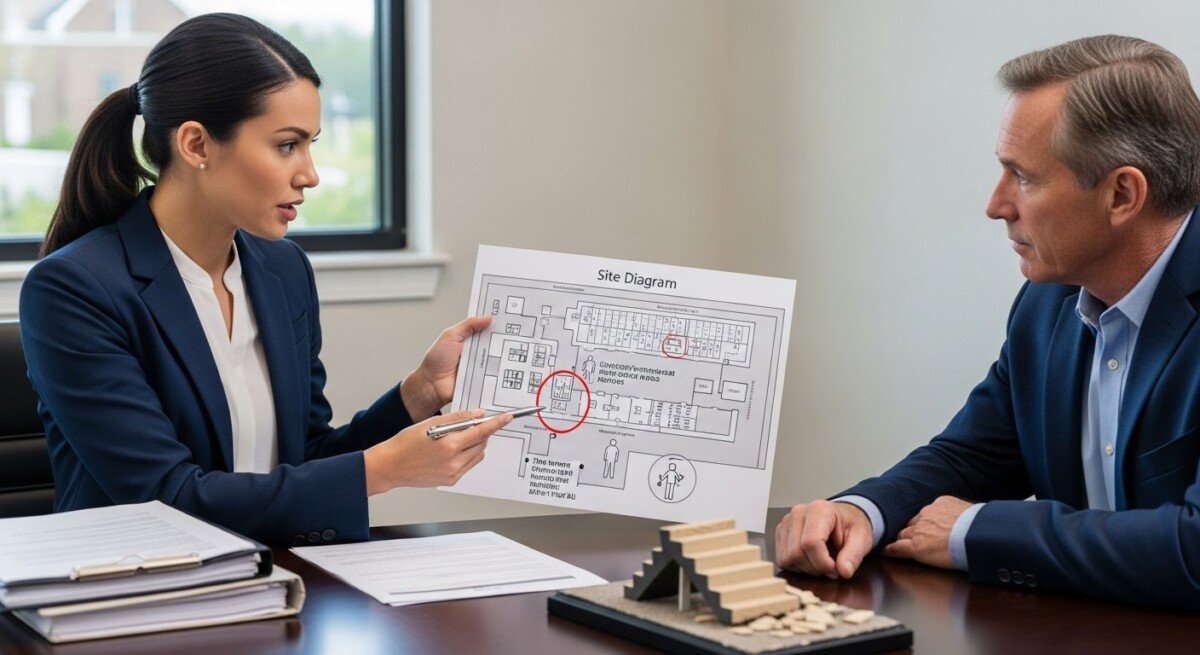
Navigating a premises liability case alone is a significant risk. Insurance adjusters are skilled at minimizing payouts, and property owners often have legal teams ready to defend them. A specialized premises liability lawyer levels the playing field. Their role begins with a thorough investigation that goes far beyond the initial incident report. They will visit the accident site to document conditions with photos and videos, even if the hazard has since been “fixed.” They identify and interview witnesses whose memories are freshest, and secure crucial evidence like surveillance footage, which businesses often preserve for only a limited time before it is automatically erased.
Perhaps most importantly, your attorney understands how to establish “notice.” This is a pivotal legal hurdle. To prove the owner was negligent, you must often show they knew or should have known about the dangerous condition. A skilled lawyer knows how to uncover constructive notice, evidence that the hazard existed for such a length of time that the owner should have discovered and corrected it through reasonable inspection. This involves meticulous evidence gathering, from maintenance logs and employee schedules to prior incident reports and weather records. Without an attorney, an insurance company will almost certainly argue they had no notice and thus no liability, potentially derailing your claim before it even starts.
What to Expect When Working with Your Lawyer
The process of a premises liability claim is methodical and strategic. After the initial consultation and case acceptance, your lawyer will handle all communication with the opposing insurance company, protecting you from making statements that could harm your case. They will marshal your medical records and bills to build a comprehensive picture of your damages, both economic (like medical costs and lost wages) and non-economic (like pain, suffering, and reduced quality of life). They often work with medical experts, vocational rehabilitation specialists, and economists to project future losses and the full impact of your injuries.
Strong negotiation is the cornerstone of this practice. Your attorney will prepare a detailed demand package outlining liability, damages, and the legal basis for your claim. They then engage in settlement negotiations. It is vital to choose an attorney with a proven track record of taking cases to trial, as this litigation readiness is what forces insurers to offer reasonable settlements. The process of selecting the right legal advocate is crucial, and the principles outlined in our resource on a strategic guide to hiring a personal injury lawyer apply directly to finding a qualified premises liability specialist.
Key Steps in a Premises Liability Case
While every case is unique, most follow a general sequence of events where your lawyer’s expertise is applied at each stage.
- Immediate Post-Accident Investigation: Securing evidence, identifying witnesses, and documenting the scene before critical proof disappears.
- Medical Treatment and Documentation: Ensuring you get proper care while creating a clear link between the accident and your injuries.
- Demand Package Preparation: Compiling evidence, medical records, liability analysis, and a detailed damages calculation into a persuasive formal demand.
- Negotiation: Engaging in back-and-forth settlement talks with the insurer, backed by a willingness to file a lawsuit.
- Litigation and Discovery: If settlement fails, filing a lawsuit and proceeding through the formal evidence-exchange and deposition phase.
- Trial or Settlement: Taking the case before a judge and jury, or reaching a final settlement agreement based on the strength of the trial-ready case.
Common Challenges and How a Lawyer Overcomes Them
Premises liability claims are notoriously defended with aggressive tactics. Insurance companies frequently deploy several common defenses that an experienced lawyer is prepared to counter. One major defense is “comparative negligence,” where they argue you were partially or wholly at fault for your own injury, perhaps by not watching where you were walking or ignoring a warning sign. An adept attorney will gather evidence to rebut this and, depending on state law, work to minimize the percentage of fault assigned to you, which directly impacts your recovery.
Another major hurdle is the argument that the hazard was “open and obvious.” The defense may claim that any reasonable person would have seen and avoided the danger, thus negating the property owner’s duty to warn. A skilled premises liability lawyer can argue that even if a condition was visible, the owner still had a duty to remedy it, or that distractions were present that made the hazard not obvious to a lawful visitor. They also combat arguments about pre-existing conditions, using medical experts to distinguish between old injuries and new trauma caused by the fall. Understanding these nuanced legal battles is why specialized counsel is vital, much like the importance of specialization highlighted in our article on choosing the best personal injury lawyer in Orange County for local expertise.
Maximizing Your Compensation and Recovery
The goal of a premises liability claim is to make you whole, or as close to whole as possible, from a financial perspective. A comprehensive claim seeks all applicable damages. Economic damages are the tangible, out-of-pocket losses. These include all past and future medical expenses related to the injury, rehabilitation costs, lost wages from missed work, and loss of future earning capacity if you cannot return to your previous job. Non-economic damages compensate for the intangible losses, such as physical pain and suffering, emotional distress, loss of enjoyment of life, and disfigurement or permanent disability.
In cases involving egregious negligence or intentional misconduct, a premises liability lawyer may also pursue punitive damages. These are not tied to your specific losses but are intended to punish the defendant and deter similar reckless behavior in the future. Calculating the full value of your claim requires experience. An attorney ensures no element of your damages is overlooked, from ongoing therapy needs to the impact on your family relationships. This thorough approach to valuing a claim is a critical skill, similar to the detailed evaluation process discussed in our guide for choosing a personal injury lawyer on Long Island, NY.
Frequently Asked Questions
How long do I have to file a premises liability lawsuit?
This is governed by a law called the statute of limitations, which varies by state, typically ranging from one to three years from the date of injury. It is imperative to consult a lawyer immediately, as missing this deadline forever bars your claim.
What if I was partially at fault for my accident?
Many states use comparative negligence rules. If you are found to be 20% at fault, your total compensation may be reduced by 20%. In some states, if you are more than 50% or 51% at fault, you may be barred from recovery. A lawyer works to minimize your assigned fault percentage.
Who can be held liable in a premises liability case?
Liability can extend beyond the property owner. It may include tenants, property management companies, maintenance contractors, or even municipalities for public property like sidewalks and parks. An investigation identifies all potentially responsible parties.
What should I do immediately after a slip and fall accident?
Seek medical attention first. Then, if possible, report the incident to the manager or owner and get a copy of the report. Take photos of the hazard and your injuries. Get contact information for witnesses. Do not give detailed statements to insurance adjusters before consulting a lawyer.
How are premises liability lawyers paid?
Almost all work on a contingency fee basis. This means you pay no upfront fees. The attorney’s fee is a pre-agreed percentage (typically one-third) of the financial recovery they secure for you, payable only if they win your case. This aligns their interests with yours. This fee structure is common in personal injury law, similar to the arrangements explained in our post about whether you need a lawyer for disability claims.
If you have been injured due to an unsafe property condition, the path to fair compensation is fraught with legal and procedural complexities. The evidence needs to be preserved, notice must be proven, and aggressive defenses must be countered. A dedicated premises liability lawyer provides the expertise, resources, and advocacy necessary to navigate this process successfully. They assume the legal burden so you can focus on your physical and emotional recovery, fighting to secure a settlement or verdict that truly reflects the full extent of your losses and helps you rebuild your life.