Dog Bite Victim: Injury Lawyer Can Maximize Your Claim

When a dog attack leaves you with physical wounds, emotional trauma, and mounting medical bills, the path to recovery can feel overwhelming. You might wonder who pays for your surgeries, lost wages, or ongoing therapy. An injury lawyer for dog bite victim cases understands the unique legal challenges these attacks present. They can transform a stressful insurance negotiation into a structured process that protects your rights and secures fair compensation. This article explains how a specialized attorney advocates for you, what damages you can pursue, and why acting quickly matters.
Why You Need an Injury Lawyer for Dog Bite Victim Cases
Dog bite laws vary significantly by state. Some states follow a strict liability rule, meaning the owner is automatically responsible for injuries regardless of the dog’s prior behavior. Other states apply a one-bite rule, which gives the owner one free bite before liability kicks in. In addition, local leash laws and ordinances can affect who is at fault. Navigating these legal nuances without professional help often leads to undervalued claims or outright denials.
An experienced injury lawyer for dog bite victim claims knows how to gather critical evidence. They collect medical records, witness statements, animal control reports, and photographs of the injuries. They also identify all potentially liable parties. For example, if the attack occurred on rental property, the landlord might share responsibility if they knew about the dog’s dangerous tendencies. A lawyer ensures no stone is left unturned in building your case.
Furthermore, insurance companies rarely offer a fair settlement upfront. They may pressure you to accept a lowball offer soon after the attack, hoping you will sign away your rights before you understand the full extent of your injuries. An attorney levels the playing field by handling all communications and negotiations. They know the tactics insurers use and push back aggressively to secure a settlement that covers your current and future needs.
Common Injuries and Long-Term Consequences
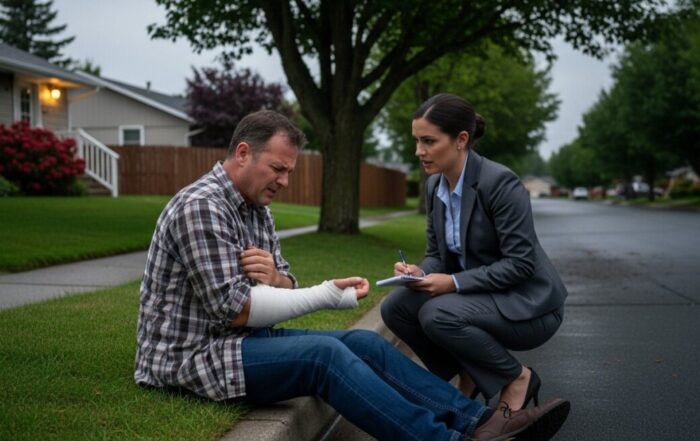
Dog bites can cause more than puncture wounds and lacerations. Many victims suffer from nerve damage, broken bones, infections like cellulitis or rabies, and permanent scarring. Severe attacks can lead to disfigurement, especially on the face, neck, or hands. Children are particularly vulnerable because their smaller size and height often result in bites to the head and neck area.
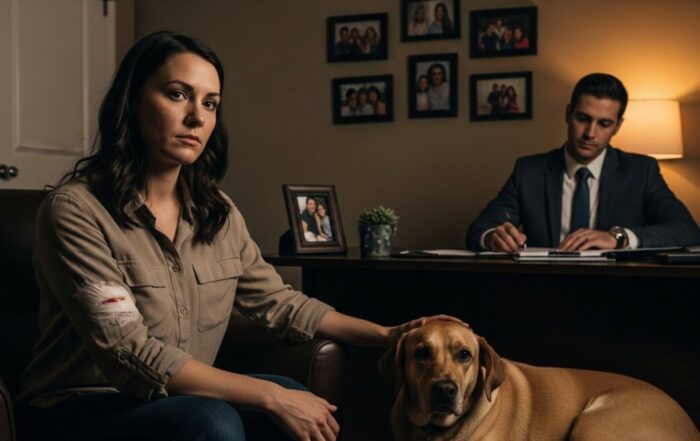
Beyond physical injuries, the emotional toll is often substantial. Many dog bite victims develop post-traumatic stress disorder (PTSD), anxiety around animals, and difficulty sleeping. These psychological effects can interfere with daily life, work performance, and personal relationships. A skilled injury lawyer for dog bite victim cases works with medical experts to document both the visible and invisible harms you suffer.
Long-term consequences may include ongoing physical therapy, reconstructive surgeries, and counseling. Some victims face permanent disabilities that prevent them from returning to their previous occupation. In such cases, your attorney will calculate lost earning capacity, not just lost wages. They will also factor in the cost of future medical care when demanding compensation from the insurance company or during trial.
What Damages Can You Recover?
Compensation in dog bite cases typically falls into two categories: economic and non-economic damages. Economic damages cover tangible financial losses, while non-economic damages address the subjective impact on your life. Below are the most common types of damages a dog bite victim can pursue.
- Medical expenses: Emergency room visits, surgeries, hospital stays, prescription medications, follow-up appointments, and future reconstructive procedures.
- Lost income: Wages you missed while recovering from the injury, as well as reduced earning capacity if the injury leads to long-term disability.
- Pain and suffering: Physical pain, emotional distress, loss of enjoyment of life, and mental anguish caused by the attack.
- Scarring and disfigurement: Compensation for permanent scars or physical changes that affect your appearance and self-esteem.
- Property damage: If the attack damaged your clothing, glasses, phone, or other personal items, you can recover their value.
In rare cases, a court may award punitive damages if the dog owner acted with gross negligence or intentionally set the dog on the victim. These damages are meant to punish the owner and deter similar behavior in the future. However, not all states allow punitive damages in dog bite cases. Your attorney will explain what applies in your jurisdiction.
An injury lawyer for dog bite victim claims will also calculate the value of your case based on the severity of the injuries, the clarity of liability, and the available insurance policy limits. They will not accept a settlement that fails to address both immediate and long-term needs. As we explain in our guide on how an injury lawyer can maximize your claim, detailed documentation and expert testimony are key to increasing your recovery.
The Legal Process: What to Expect
After you hire an attorney, they begin by conducting a thorough investigation. This includes interviewing witnesses, reviewing police and animal control reports, and obtaining medical records. They may also consult with medical experts to project the cost of future care. Once the evidence is gathered, your lawyer sends a demand letter to the insurance company outlining the facts of the case and the compensation you seek.
The insurance company then reviews the demand and either accepts it, rejects it, or makes a counteroffer. Most dog bite cases settle out of court through negotiation. Your attorney will advise you on whether a proposed settlement is fair based on the strength of your case and the extent of your damages. If the insurer refuses to offer a reasonable amount, your lawyer may file a lawsuit and prepare for trial.
Litigation involves discovery, depositions, and possibly mediation. During this phase, both sides exchange information and attempt to resolve the dispute with the help of a neutral mediator. If mediation fails, the case proceeds to trial, where a judge or jury decides the outcome. Throughout this process, your attorney handles all procedural requirements, deadlines, and court appearances so you can focus on healing.
Most importantly, a dedicated lawyer works on a contingency fee basis. This means you pay nothing upfront, and the attorney only receives a percentage of the settlement or verdict if you win. This arrangement reduces financial risk and ensures your lawyer is motivated to achieve the best possible result. For more insight into how this fee structure works, check out our article on what a dog bite victim should know about hiring an injury lawyer.
How to Choose the Right Injury Lawyer for Dog Bite Victim Cases
Not every personal injury lawyer has experience handling dog bite claims. These cases require specific knowledge of animal control laws, homeowner’s insurance policies, and medical issues related to animal attacks. When searching for an attorney, ask the following questions during your initial consultation.
- How many dog bite cases have you handled? What were the outcomes?
- Are you familiar with the dog bite laws in my state, including any strict liability statutes?
- Will you personally handle my case, or will it be delegated to a junior associate?
- What is your track record for negotiating settlements versus going to trial?
- How do you communicate with clients? Will I receive regular updates?
You should also look for a lawyer who offers a free initial consultation. This gives you an opportunity to discuss your case without financial obligation and assess whether the attorney is a good fit. Bring any documents you have, including medical records, photos of injuries, and correspondence with the insurance company. The more information the lawyer has, the more accurately they can evaluate your claim.
Reading online reviews and checking the attorney’s standing with the state bar association can also help you make an informed decision. Remember, the relationship between you and your lawyer is collaborative. Choose someone who listens to your concerns, explains legal concepts clearly, and demonstrates genuine commitment to your recovery. Our resource on maximizing your dog bite claim with the right attorney offers additional tips for selecting the best representation.
Statute of Limitations and Time Sensitivity
Every state imposes a statute of limitations for filing a dog bite lawsuit. This deadline typically ranges from one to six years after the attack, depending on where you live. Missing this deadline means you lose your right to sue the owner forever. Additionally, some states have shorter deadlines for claims against government entities if the attack occurred on public property.
Even if the statute of limitations seems far off, waiting too long can weaken your case. Evidence may disappear, witnesses’ memories fade, and your injuries may heal, making it harder to document the full impact of the attack. Insurance companies also view delayed claims with suspicion. Acting quickly preserves evidence and demonstrates that you take the matter seriously.
An injury lawyer for dog bite victim claims will calendar all relevant deadlines and ensure your case is filed on time. They will also advise you on any notice requirements, such as notifying the city or county within a certain number of days if the attack occurred on public land. Procrastination can be costly, so contact an attorney as soon as possible after receiving medical treatment.
Frequently Asked Questions
What should I do immediately after a dog bite?
Seek medical attention right away, even if the wound seems minor. Infections can develop quickly. Report the attack to local animal control or the police so there is an official record. Take photographs of your injuries, the location, and the dog if possible. Collect contact information from the owner and any witnesses. Avoid discussing fault or accepting a settlement before consulting a lawyer.
Can I sue the dog owner even if the dog has never bitten anyone before?
Yes, depending on your state’s laws. In strict liability states, the owner is responsible regardless of prior behavior. In one-bite states, you must prove the owner knew or should have known the dog was dangerous. An attorney can determine which standard applies to your situation.
How much does it cost to hire an injury lawyer for dog bite victim cases?
Most personal injury lawyers work on a contingency fee basis. You pay nothing upfront, and the lawyer receives a percentage of the settlement or verdict, typically between 25% and 40%. If you do not win, you owe nothing. Always discuss the fee structure during your initial consultation.
What if the dog owner does not have insurance or assets?
Your lawyer can investigate whether the owner has homeowner’s insurance, renter’s insurance, or other policies that cover dog bites. If the owner is uninsured and has no assets, recovering compensation may be difficult. However, your attorney may identify other liable parties, such as a landlord or property manager, who have insurance coverage.
How long do dog bite cases take to resolve?
The timeline varies based on the complexity of the case, the severity of injuries, and whether the case settles or goes to trial. Simple cases may resolve in a few months, while litigated cases can take a year or more. Your lawyer will give you a realistic estimate based on the specifics of your claim.
Why You Should Act Now
Dog bite victims face a unique set of legal, medical, and emotional challenges. Without experienced representation, you risk accepting a settlement that fails to cover your long-term needs. An injury lawyer for dog bite victim cases provides the advocacy, resources, and strategic thinking necessary to hold negligent owners accountable. They handle the paperwork, negotiate with insurers, and, if needed, fight for you in court. For a deeper dive into the steps you should take after an attack, read our comprehensive article on what dog bite victims must do to protect their legal rights. Do not let confusion or fear delay your recovery. Reach out to a qualified attorney today to discuss your case and explore your options for compensation.