Dog Bite Victim? Hire an Injury Lawyer for Maximum Compensation
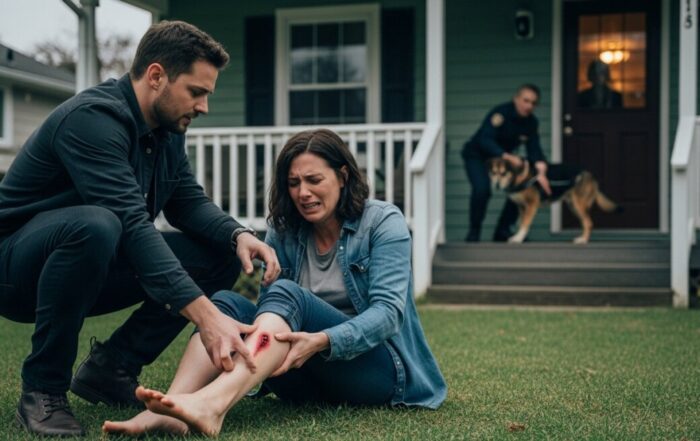
Being attacked by a dog is a traumatic experience that leaves both physical scars and emotional trauma. In the moments after a bite, victims often focus on immediate medical care, but the financial and legal consequences can linger for months or years. Medical bills pile up, lost wages create stress, and insurance companies may try to minimize your claim. This is precisely when an injury lawyer for dog bite victim becomes an essential ally. A skilled attorney understands the nuances of animal attack laws, knows how to negotiate with insurers, and can fight for the full compensation you deserve. Without legal representation, victims often settle for far less than their case is worth.
Dog bite injuries range from minor puncture wounds to severe disfigurement, nerve damage, and psychological conditions like post-traumatic stress disorder. The Centers for Disease Control and Prevention reports that approximately 4.5 million dog bites occur in the United States each year, with nearly one in five requiring medical attention. These statistics underscore the importance of understanding your legal rights and the critical role an injury lawyer for dog bite victim plays in securing fair treatment. This article explores the legal landscape, the steps you should take after an attack, and how an experienced attorney can navigate the complexities of your case.
Understanding Dog Bite Laws and Liability
Dog bite laws vary significantly from state to state, which makes hiring a local attorney crucial. Most jurisdictions follow one of two legal doctrines: strict liability or the one-bite rule. Under strict liability, a dog owner is automatically responsible for damages caused by their animal, regardless of the dog’s prior behavior or the owner’s knowledge of aggression. This rule applies in over thirty states and simplifies the victim’s path to compensation. The victim only needs to prove that the bite occurred and that they were lawfully present on the property.
In contrast, the one-bite rule requires the victim to demonstrate that the owner knew or should have known the dog was dangerous. This often means showing evidence of a prior incident or aggressive behavior. Some states also follow a negligence standard, where the victim must prove the owner failed to exercise reasonable care in controlling the animal. An injury lawyer for dog bite victim can quickly determine which law applies in your state and build a case accordingly. For example, in a strict liability state, your attorney may focus on documenting the bite and your injuries, while in a one-bite state, they will investigate the dog’s history and the owner’s knowledge.
Additionally, local ordinances may impose specific requirements such as leash laws, fencing mandates, or registration rules. Violating these laws can strengthen your case by establishing negligence. Your lawyer will examine all applicable statutes and use any violations to support your claim. Understanding these legal frameworks is essential because they directly affect the types of damages you can recover and the burden of proof required.
Types of Compensation Available to Dog Bite Victims
When you work with an injury lawyer for dog bite victim, you can pursue several categories of damages. Economic damages cover tangible financial losses, including medical expenses for emergency room visits, surgeries, medication, physical therapy, and future medical care related to the injury. Lost wages are also recoverable if your injuries prevent you from working, whether temporarily or permanently. In severe cases, you may also claim loss of earning capacity if the injury affects your ability to perform your job long-term.
Non-economic damages address the intangible impacts of the attack. Pain and suffering compensation accounts for the physical pain and emotional distress you endure. Disfigurement or scarring can significantly lower your quality of life, and courts often award substantial sums for permanent marks. Psychological trauma, including anxiety, depression, or fear of dogs, is also compensable. Punitive damages may be available in cases involving gross negligence or intentional misconduct by the owner, such as failing to restrain a known aggressive dog. An experienced attorney knows how to calculate these damages properly and present evidence to maximize your recovery.
In our guide on dog bite injury lawyer: how to maximize your claim, we explain the specific documentation needed to prove each type of damage. For instance, keeping a pain journal, obtaining psychological evaluations, and collecting photographs of your injuries can significantly strengthen your case. Your lawyer will also work with medical experts and economists to project future costs, ensuring that your settlement or verdict reflects the true long-term impact of the attack.
Immediate Steps to Take After a Dog Bite
Your actions immediately following a dog bite can dramatically affect your legal case and your health. First and foremost, seek medical attention even if the wound appears minor. Dog bites carry a high risk of infection, including rabies, tetanus, and bacterial infections like capnocytophaga. A medical professional will clean the wound properly, administer necessary vaccinations, and document your injuries. This medical record becomes critical evidence for your claim.
Next, identify the dog and its owner. Obtain the owner’s name, address, phone number, and insurance information if possible. If the dog is a stray or unknown, contact local animal control to help track the animal. Report the incident to animal control or the police, as an official report creates an independent record of the event. This report can be invaluable if the owner disputes the incident later. Take photographs of your injuries from multiple angles, the location where the attack occurred, and any visible hazards like broken fences or missing warning signs. If there were witnesses, ask for their contact information and statements.
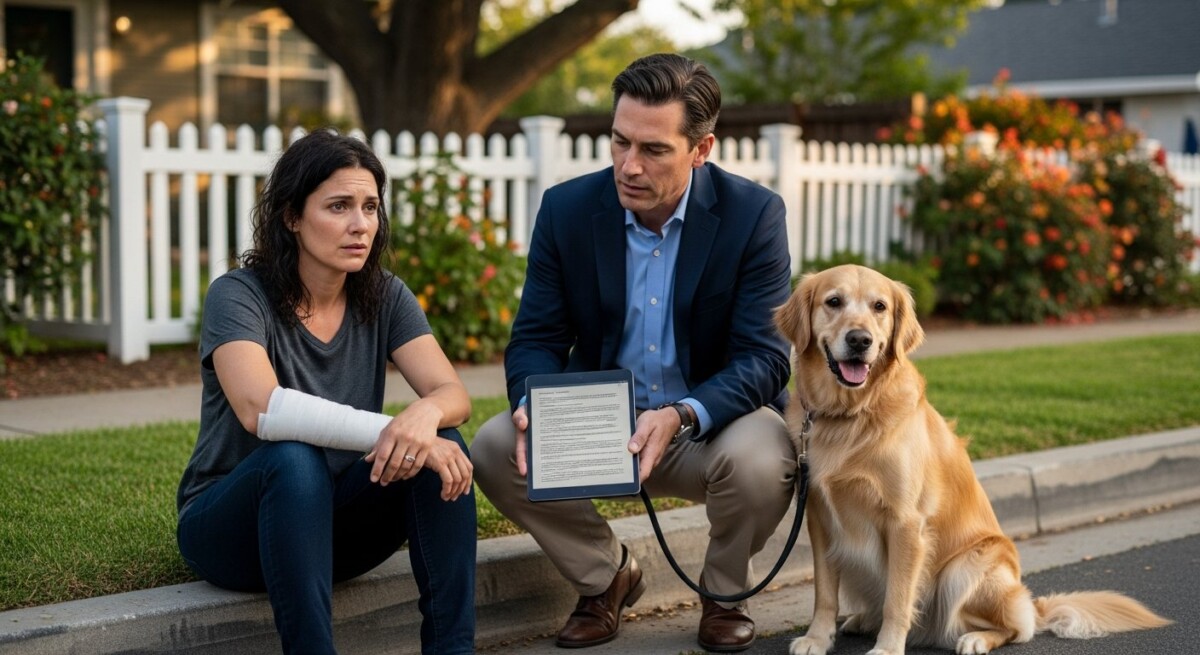
Preserve any clothing or personal items damaged during the attack, as these can serve as evidence. Avoid discussing the incident on social media, as insurance adjusters may monitor your posts to find inconsistencies. Finally, contact an injury lawyer for dog bite victim as soon as possible. Most attorneys offer free initial consultations, and early involvement allows them to preserve evidence, interview witnesses, and handle communications with insurance companies before you say something that could harm your case.
Common Challenges in Dog Bite Cases
Dog bite claims can face several hurdles that make professional legal representation essential. One common challenge is the homeowner’s insurance policy. Many dog bite claims are paid through the owner’s homeowner’s or renter’s insurance, but some policies exclude certain breeds or have caps on animal liability coverage. An experienced attorney can review the policy to identify available coverage and negotiate with the insurer. If the owner has no insurance or insufficient coverage, your lawyer may explore other avenues, such as the owner’s personal assets or umbrella policies.
Another obstacle is the defense of provocation. If the dog owner claims you provoked the animal, your compensation may be reduced or denied. Provocation can include teasing, hitting, or startling the dog, even unintentionally. A skilled lawyer will gather evidence to counter these allegations, such as witness statements or video footage. Similarly, trespassing laws come into play if you were bitten while on private property without permission. However, exceptions exist for postal workers, utility workers, and children who may not understand boundaries. Your attorney will assess whether you were lawfully present and argue accordingly.
Statutes of limitations also pose a risk. Each state imposes a deadline for filing a personal injury lawsuit, typically ranging from one to six years. Missing this deadline bars you from recovering any compensation. An injury lawyer for dog bite victim ensures all paperwork is filed timely and correctly, preventing procedural errors from derailing your case. Additionally, insurance companies often employ tactics to minimize payouts, such as offering quick lowball settlements or requesting recorded statements designed to catch you off guard. Your lawyer handles all communications, protecting your rights throughout the process.
How an Attorney Builds Your Case
Building a strong dog bite case requires a systematic approach that combines legal knowledge with investigative skills. Your attorney will start by collecting all relevant documents: medical records, police reports, animal control records, and photographs. They will interview witnesses and may hire experts such as medical professionals to testify about the severity of your injuries or animal behaviorists to assess the dog’s aggression. If the attack occurred on public property or in a rental unit, the lawyer may also investigate whether property owners or landlords share liability.
Your lawyer will then calculate a comprehensive damages figure that accounts for both current and future losses. This calculation includes negotiating with medical providers to determine the full cost of treatment and consulting with vocational experts if your ability to work is impaired. The attorney will also factor in non-economic damages using proven methodologies, such as the multiplier method, where pain and suffering are multiplied by the total economic damages. This figure becomes the basis for settlement negotiations or trial demands.
As explained in our resource on dog bite injury lawyer: how to protect your rights, your attorney will also prepare for the possibility of litigation. This involves drafting a complaint, gathering evidence for discovery, and preparing you for depositions. While most dog bite cases settle out of court, having a lawyer ready to take your case to trial often pressures insurance companies to offer fair settlements. Your attorney’s willingness to litigate signals that you are serious about pursuing full compensation.
When to Hire an Injury Lawyer for Dog Bite Victim
Not every dog bite requires legal action, but certain circumstances strongly warrant hiring an attorney. If your injuries are severe, such as deep puncture wounds, broken bones, nerve damage, or facial scarring, the potential compensation is significant, and insurance companies will fight to minimize payouts. Similarly, if you face mounting medical bills or lost income, an attorney can ensure these losses are fully accounted for. Cases involving children are particularly sensitive, as children may require lifelong care for physical or emotional trauma, and an attorney can secure funds for future treatment.
You should also seek legal representation if the dog owner denies responsibility, claims you provoked the animal, or lacks adequate insurance. If the insurance company offers a settlement that seems too low or pressures you to accept quickly, consult a lawyer before signing anything. An injury lawyer for dog bite victim can evaluate the offer and advise whether it is fair. Additionally, if the attack occurred on public property or involved a landlord’s negligence, the legal complexities increase, making professional guidance essential.
Our guide on dog bite injury lawyer: victim compensation guide provides a detailed breakdown of when to accept a settlement versus when to proceed to trial. The decision often hinges on the strength of the evidence, the insurance policy limits, and the long-term prognosis of your injuries. An experienced attorney will give you realistic advice and fight for the outcome that best serves your interests.
Frequently Asked Questions
How much does it cost to hire an injury lawyer for a dog bite case?
Most dog bite attorneys work on a contingency fee basis, meaning you pay nothing upfront. The lawyer receives a percentage of your settlement or verdict, typically between 25% and 40%, depending on the complexity of the case and whether it goes to trial. This arrangement makes legal representation accessible to victims regardless of their financial situation.
What if the dog owner has no insurance or assets?
Your attorney will explore alternative sources of compensation, such as the owner’s personal assets, umbrella insurance policies, or liability coverage through a homeowners or renters policy. In some cases, you may also be able to file a claim against a third party, such as a landlord who failed to enforce leash laws or a property owner who knew about the dog’s dangerous behavior.
How long do I have to file a dog bite lawsuit?
The statute of limitations varies by state, ranging from one to six years from the date of the attack. Missing this deadline means you lose your right to sue. An attorney will ensure all paperwork is filed within the required timeframe.
Can I still recover compensation if I was partially at fault?
Yes, in many states you can still recover damages under comparative negligence rules, though your compensation may be reduced by your percentage of fault. For example, if you were found 20% at fault for provoking the dog, your award would be reduced by 20%. An attorney can argue that the dog owner bears primary responsibility and minimize your fault percentage.
What should I say to the insurance company after a dog bite?
You should say as little as possible. Insurance adjusters are trained to ask questions that may limit your claim. Refer all communications to your lawyer. As noted in our article on dog bite injury lawyer: your path to fair compensation, letting your attorney handle these conversations protects you from making statements that could be used against you.
If you or a loved one has suffered a dog bite, do not wait to seek legal guidance. The path to fair compensation is complex, but an injury lawyer for dog bite victim can navigate the legal system, negotiate with insurers, and fight for the justice you deserve. Contact a qualified attorney today to discuss your case and take the first step toward recovery.