When You Need a Motorcycle Injury Attorney
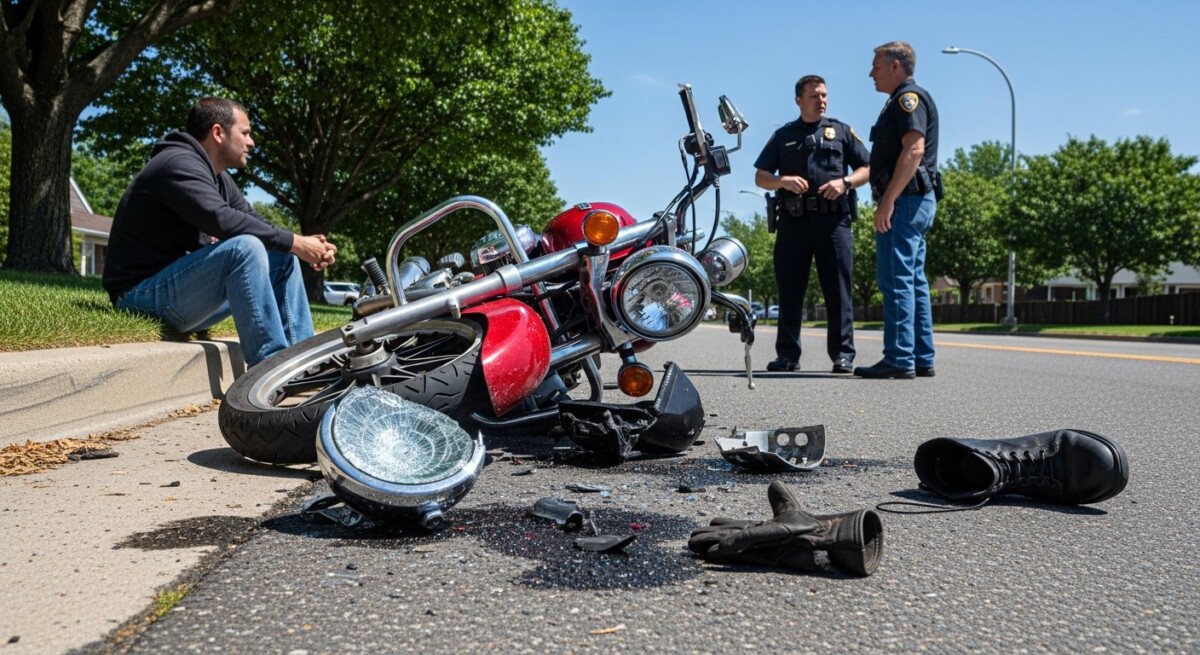
The roar of an open road, the freedom of two wheels, and the wind at your back can turn into a nightmare in a split second. A car that fails to yield, a pothole that appears from nowhere, or a patch of gravel can send a rider skidding across asphalt. The aftermath is not just physical pain but a maze of medical bills, lost wages, and insurance adjusters who seem to speak a different language. This is the moment when a motorcycle injury attorney becomes more than a legal representative. They become the person who translates that language, who fights for compensation, and who helps a rider rebuild a life that was derailed by someone else’s negligence.
Motorcycle accidents often produce injuries that are far more severe than those in car crashes. Riders lack the steel cage, airbags, and seatbelts that protect car occupants. When a crash occurs, the body takes the full force of the impact. Broken bones, road rash, traumatic brain injuries, and spinal cord damage are common. The medical costs can climb into the hundreds of thousands of dollars. Insurance companies know this, and they often deploy aggressive tactics to minimize payouts. An experienced attorney levels the playing field and ensures that a rider is not left paying for a crash they did not cause.
The legal process after a motorcycle accident can feel overwhelming, especially when a person is recovering from serious injuries. Understanding what steps to take and when to involve a lawyer can make the difference between a fair settlement and a financial disaster. This article walks through the critical reasons to hire a motorcycle injury attorney, the types of compensation available, how the claims process works, and what to look for when choosing legal representation. If you or a loved one has been injured in a motorcycle crash, the information below can help you make an informed decision about your next steps.
Why You Need a Motorcycle Injury Attorney After a Crash
Many riders wonder whether they can handle a claim on their own. After all, insurance companies are supposed to pay for damages they cover, right? In theory, yes. In practice, insurers have a financial incentive to pay as little as possible. Motorcycle accident claims are particularly susceptible to lowball offers because insurers often assume riders are reckless or that their injuries are less severe than they claim. A skilled attorney knows how to counter these assumptions with medical evidence, accident reconstruction, and a thorough understanding of liability laws.
Another reason to hire a lawyer involves the complexity of proving fault. Unlike a rear-end car crash where fault is usually clear, motorcycle accidents often involve disputed liability. A driver might claim the rider was speeding or that the rider cut them off. Witnesses may give conflicting accounts. Police reports can contain errors. A motorcycle injury attorney has the resources to investigate the scene, interview witnesses, obtain traffic camera footage, and work with accident reconstruction experts. This evidence can be the difference between a denied claim and a full recovery.
Insurance adjusters also use tactics that can catch an unrepresented rider off guard. They may ask for a recorded statement and then use that statement to twist the rider’s words. They may pressure the rider into accepting a quick settlement before the full extent of injuries is known. An attorney handles all communication with the insurance company, which prevents these common pitfalls. The attorney also understands the deadlines for filing a claim, which vary by state and can be as short as one year in some jurisdictions. Missing that deadline means losing the right to compensation entirely.
Types of Compensation Available in Motorcycle Injury Cases
When a rider is injured because of another party’s negligence, the law allows for several categories of damages. These damages are designed to make the injured person whole again, at least financially. The most straightforward category is economic damages, which cover quantifiable financial losses. Medical expenses fall into this category, including emergency room visits, surgery, hospital stays, physical therapy, and future medical care. Lost wages and loss of earning capacity are also included, especially if the injury prevents the rider from returning to their previous job or working at all.
Non-economic damages address the intangible losses that do not have a direct dollar value. Pain and suffering, emotional distress, loss of enjoyment of life, and loss of consortium (the loss of companionship and intimacy with a spouse) are common examples. These damages can be substantial, especially in cases involving permanent disability or disfigurement. However, insurance companies often resist paying non-economic damages, which makes the negotiation skills of a motorcycle injury attorney particularly valuable.
In cases where the at-fault party’s conduct was especially reckless or intentional, punitive damages may also be available. These are not meant to compensate the victim but to punish the wrongdoer and deter similar behavior. For example, if a driver was under the influence of alcohol or drugs at the time of the crash, a jury may award punitive damages. Not every case qualifies for punitive damages, but an attorney can evaluate whether the facts support such a claim.
Medical Expenses and Future Care
One of the most challenging aspects of a motorcycle injury case is calculating future medical needs. A rider who suffers a spinal cord injury may require months of rehabilitation, ongoing physical therapy, and modifications to their home and vehicle. An attorney works with medical experts to project these future costs and includes them in the demand for compensation. Without this forward-looking analysis, a settlement may cover only immediate bills, leaving the rider to pay for future care out of pocket.
The Claims Process: What to Expect
The process of pursuing a motorcycle injury claim follows a general pattern, though the details can vary depending on the state and the specific circumstances of the crash. The first step is seeking medical attention, even if the rider feels fine immediately after the accident. Some injuries, such as internal bleeding or traumatic brain injuries, may not show symptoms for hours or days. A medical record created right after the crash also serves as crucial evidence linking the injuries to the accident.
Once medical treatment is underway, the next step is gathering evidence. This includes the police report, photos of the scene and the vehicles, contact information for witnesses, and any available video footage. The rider should also keep a journal documenting their pain, limitations, and how the injuries affect their daily life. This journal can be powerful evidence when seeking non-economic damages.
After evidence is collected, the attorney sends a demand letter to the insurance company. This letter outlines the facts of the case, the injuries suffered, and the amount of compensation being sought. The insurance company then responds, often with a counteroffer that is much lower than the demand. Negotiations follow, and if a fair settlement cannot be reached, the case may proceed to litigation. Most cases settle before trial, but an attorney who is prepared to go to court has more leverage during negotiations.
Key Steps in the Claims Process
To help you understand the timeline and what is required at each stage, here is a breakdown of the typical steps in a motorcycle injury claim:
- Immediate medical evaluation: Get checked by a doctor or go to the emergency room. Even minor symptoms should be documented.
- Preserve evidence: Take photos of the crash scene, your injuries, and your damaged motorcycle. Save torn or bloodied clothing and gear.
- Notify your insurance company: Report the accident to your own insurer, but do not give a recorded statement to the other party’s insurer without your attorney present.
- Hire a motorcycle injury attorney: Early involvement allows the attorney to preserve evidence, interview witnesses, and handle communication with insurers.
- Calculate damages: Work with your attorney to tally all medical bills, lost income, property damage, and non-economic losses.
- Negotiate or litigate: Your attorney will negotiate with the insurance company. If no fair offer is made, a lawsuit may be filed.
Each of these steps requires careful attention. Missing a step or doing it incorrectly can weaken the case. For example, failing to seek medical attention immediately can lead the insurance company to argue that the injuries were not caused by the crash. Similarly, posting about the accident on social media can give the insurer ammunition to dispute the severity of the injuries. An attorney guides the rider through these pitfalls.
If you are navigating this process for the first time, you may find it helpful to read our detailed guide on Finding a Spinal Injury Attorney Near Me for Maximum Recovery, which explains how specialized legal representation can improve outcomes for severe injuries.
How to Choose the Right Motorcycle Injury Attorney
Not all personal injury lawyers have the same level of experience with motorcycle cases. Riders face unique challenges that a general practice attorney may not fully understand. When evaluating potential attorneys, look for someone who has handled motorcycle accident claims specifically. Ask about their track record with similar cases, including the size of settlements and verdicts they have obtained. An attorney who is willing to take a case to trial is often more effective in negotiations because the insurance company knows they are serious.
Experience with motorcycle culture and riding dynamics is another valuable trait. An attorney who understands how a motorcycle handles, the importance of lane positioning, and the physics of a low-side versus a high-side crash can better argue why the other driver was at fault. They can also anticipate the defense arguments that an insurance company might raise, such as claims that the rider was lane-splitting illegally or that the rider’s speed contributed to the crash.
Communication style matters as well. The attorney should be accessible and willing to explain legal concepts in plain language. They should return phone calls and emails promptly. During the initial consultation, which many attorneys offer for free, pay attention to whether they seem genuinely interested in your case or whether they treat you like just another file. A good attorney will ask detailed questions about the accident, your injuries, and your goals for the case.
Another important factor is the fee structure. Most motorcycle injury attorneys work on a contingency fee basis, meaning they only get paid if you win or settle your case. The fee is typically a percentage of the recovery, often ranging from 33% to 40%. Make sure you understand what percentage the attorney charges and whether there are any additional costs, such as fees for expert witnesses or court filing fees, that you might be responsible for even if the case is unsuccessful. A reputable attorney will explain these terms clearly and put them in writing.
Before hiring an attorney, you may also want to review our article on How a Free Online Consultation With a Personal Injury Attorney Works. This resource explains what to expect during an initial meeting and how to prepare your questions in advance.
Common Mistakes to Avoid After a Motorcycle Accident
Even well-intentioned riders can make mistakes that harm their legal case. One of the most common errors is accepting a settlement offer too quickly. Insurance companies often make a fast, low offer in the hope that the injured person will accept it out of desperation. Once the settlement is signed, the case is closed, and no additional compensation can be sought, even if later medical problems emerge. Always consult with an attorney before signing any settlement agreement.
Another mistake is failing to document everything. Photos of the scene, receipts for medical expenses, records of missed work, and a daily pain journal all strengthen the case. Without documentation, it becomes the rider’s word against the insurance company’s. Attorneys rely on concrete evidence to build a compelling demand package.
Posting on social media is another common pitfall. Insurance adjusters and defense attorneys routinely monitor public social media accounts. A photo of the rider smiling at a family gathering or a comment about feeling better can be taken out of context and used to argue that the injuries are not as severe as claimed. The safest approach is to stay off social media entirely until the case is resolved.
Finally, do not delay in seeking legal representation. Each state has a statute of limitations that sets a deadline for filing a lawsuit. In most states, the deadline for personal injury claims is between one and three years from the date of the accident. However, the clock starts ticking immediately, and gathering evidence becomes more difficult as time passes. Witnesses forget details, surveillance footage is deleted, and physical evidence disappears. Acting quickly preserves the strongest possible case.
For riders who have suffered catastrophic injuries, the stakes are even higher. Our article on How to Identify a Top Catastrophic Injury Attorney for Your Case offers guidance on finding legal representation equipped to handle the most severe and complex injury claims.
Frequently Asked Questions
How much does it cost to hire a motorcycle injury attorney?
Most motorcycle injury attorneys work on a contingency fee basis. You pay nothing upfront. The attorney receives a percentage of the settlement or verdict, typically between 33% and 40%. If you do not recover compensation, you generally owe no attorney fees, though you may still be responsible for certain case costs such as filing fees or expert witness fees.
How long do I have to file a motorcycle injury lawsuit?
The deadline varies by state. Most states allow between one and three years from the date of the accident. Some states have shorter deadlines for claims against government entities. An attorney can determine the exact deadline for your case and ensure all paperwork is filed on time.
What if I was not wearing a helmet?
In states without mandatory helmet laws, not wearing a helmet may reduce the compensation you can recover, but it does not automatically bar you from filing a claim. The insurance company may argue that your injuries were worsened by your decision not to wear a helmet. An attorney can address this argument and still pursue compensation for the portion of damages caused by the other driver’s negligence.
Can I still recover compensation if I was partially at fault?
Many states follow a comparative negligence rule, which allows you to recover compensation even if you were partially at fault, as long as your share of fault is below a certain threshold (usually 50% or 51%). Your compensation is reduced by your percentage of fault. For example, if you were 20% at fault and your damages are $100,000, you would recover $80,000.
What if the at-fault driver has no insurance?
If the other driver is uninsured or underinsured, you may be able to file a claim under your own insurance policy’s uninsured/underinsured motorist coverage. An attorney can help you navigate this process and ensure you receive the full benefit of your policy.
How long does a motorcycle injury case take to resolve?
The timeline depends on the complexity of the case, the severity of injuries, and whether a settlement can be reached without litigation. Simple cases may settle in a few months. Cases that go to trial can take a year or more. An attorney can give you a more accurate estimate based on the specific facts of your situation.
If you are looking for legal representation in a specific region, you may find our guide on How to Choose a Personal Injury Attorney Baton Rouge helpful for understanding the local legal landscape and finding an attorney who knows the local courts and insurance companies.
The road to recovery after a motorcycle accident is rarely straight or smooth. It twists through medical appointments, financial strain, and emotional upheaval. But you do not have to navigate it alone. A motorcycle injury attorney brings the legal knowledge, investigative resources, and negotiation skills needed to secure the compensation that allows you to focus on healing. Whether your injuries are minor or life-changing, taking the step to consult with an experienced attorney can make all the difference. The call is free. The advice is confidential. And the decision to seek help today can protect your future tomorrow.