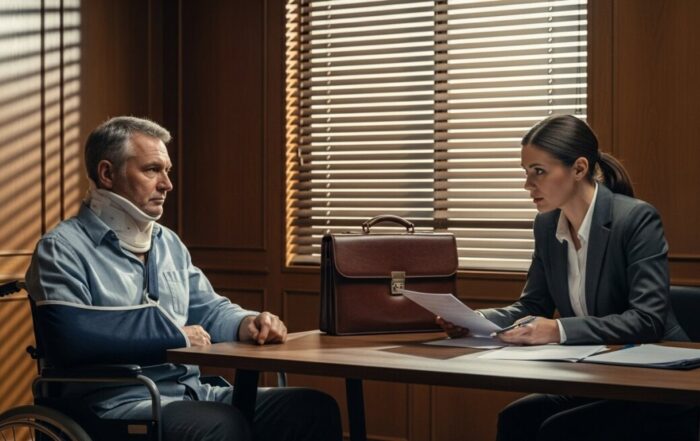
When to Hire a Personal Injury Lawyer for Nursing Home Injury

Discovering that a loved one has been harmed in a nursing home is a devastating and infuriating experience. Families place immense trust in these facilities to provide compassionate, competent care. When that trust is broken due to neglect or abuse, the resulting injuries can be severe, even fatal. Navigating the legal and emotional complexities of a nursing home injury case requires specialized knowledge. A dedicated personal injury lawyer for nursing home injury is not just an advocate, they are an essential guide through a system designed to protect powerful institutions. These attorneys understand the unique laws governing long-term care facilities and have the resources to investigate thoroughly and hold negligent parties fully accountable.
Understanding Nursing Home Injuries and Neglect
Nursing home injuries often stem from systemic failures rather than isolated incidents. They frequently involve a pattern of understaffing, inadequate training, or corporate policies that prioritize profit over patient well-being. The injuries themselves can range from physical trauma to psychological harm, and they are often interconnected. For instance, a resident who is not turned regularly may develop painful pressure ulcers (bedsores), which can lead to serious infections like sepsis. Another resident who is not properly supervised may suffer a fall, resulting in a hip fracture that leads to a rapid decline in overall health. Recognizing the signs is the first step toward seeking justice.
Common types of nursing home injuries and abuse include: bedsores or pressure ulcers, falls and fractures, medication errors, dehydration and malnutrition, wandering and elopement, physical or chemical restraints, and emotional or sexual abuse. Each of these injuries tells a story of a standard of care that was not met. A skilled attorney will look beyond the immediate injury to uncover the root cause, whether it’s a facility that consistently operates below mandatory staffing ratios or a corporate owner that cuts corners on essential supplies and training. This deep investigation is critical for building a strong case.
The Critical Role of a Specialized Attorney
Pursuing a claim against a nursing home is fundamentally different from a standard car accident case. These facilities are typically backed by large corporations and well-funded insurance companies with legal teams experienced in defending such claims. They often employ tactics to shift blame, minimize injuries, or delay proceedings, hoping families will settle for less or give up. A personal injury lawyer for nursing home injury levels the playing field. They bring a specific skill set to the table, including a thorough understanding of state and federal nursing home regulations, experience in gathering and preserving complex medical evidence, and the ability to work with medical experts who can testify to the standard of care and how it was breached.
One of the most valuable things an attorney provides is an objective, strategic perspective during an emotionally charged time. Families are rightfully focused on their loved one’s immediate health and safety. An attorney manages the legal battle, allowing the family to focus on healing. This includes handling all communication with the facility and its insurers, filing necessary paperwork within strict legal deadlines (statutes of limitations), and conducting a comprehensive investigation. This investigation might involve reviewing medical charts, staffing records, and incident reports, as well as interviewing staff and other residents. As outlined in our resource on what a personal injury litigation attorney does, this meticulous pre-trial work is the foundation of any successful claim or lawsuit.
Building a Strong Case for Compensation
A successful nursing home injury case must establish four key elements: duty, breach, causation, and damages. First, it must be shown that the facility owed a duty of care to the resident. This is easily established by the admission agreement. Second, it must be proven that the facility breached that duty through action or inaction (negligence or intentional harm). Third, it must be demonstrated that this breach directly caused the resident’s injuries. Finally, the full extent of the damages suffered must be documented. Compensation in these cases, known as damages, is designed to make the victim whole and punish egregious misconduct.
Damages sought typically include economic and non-economic categories. Economic damages cover quantifiable financial losses like past and future medical bills, costs of relocation to a safer facility, and rehabilitation expenses. Non-economic damages compensate for the very real but less tangible harms, such as the resident’s physical pain, emotional suffering, loss of dignity, and reduced enjoyment of life. In cases of particularly reckless or malicious conduct, punitive damages may also be pursued to punish the wrongdoer and deter similar behavior in the future. A top-rated firm, like those described in our article on what makes a top rated personal injury law firm different, has the experience and tenacity to accurately value and fight for every category of compensation your family deserves.
Steps to Take If You Suspect Injury or Neglect
If you suspect your loved one is being neglected or abused, timely action is crucial for their safety and for preserving legal rights. Your first priority is always their immediate well-being. Ensure they receive appropriate medical attention from an independent provider to document the injuries and begin treatment. Report your concerns to the nursing home administration in writing, and keep a copy of your complaint. You should also file a report with your state’s adult protective services agency and the local long-term care ombudsman. These agencies can investigate and potentially take regulatory action against the facility.
Concurrently, it is wise to begin exploring your legal options. Start gathering evidence, which can include: photographs of injuries or unsafe conditions, detailed notes of your observations with dates and times, names of staff members involved, and copies of any relevant communications. Do not rely on the facility to provide records willingly once a claim is anticipated. This is the point where consulting with a specialized attorney becomes imperative. They can immediately begin the formal process of securing all relevant records and building a case. For guidance on this initial search, our guide on how to find a top rated personal injury attorney near you offers practical steps for identifying qualified counsel.
Frequently Asked Questions
How much does it cost to hire a nursing home injury lawyer?
Most reputable personal injury lawyers for nursing home injuries work on a contingency fee basis. This means you pay no upfront fees or hourly rates. The attorney’s fee is a percentage of the financial recovery they secure for you, typically only if they win your case. This arrangement allows families access to high-quality legal representation regardless of their financial situation.
What is the time limit to file a nursing home injury lawsuit?
Every state has a law called a statute of limitations that sets a strict deadline for filing a lawsuit. This period varies by state and can be as short as one year from the date of injury or discovery. Missing this deadline usually results in losing the right to sue forever. An attorney can immediately determine the deadline applicable to your case.
Can I sue a nursing home if my loved one passed away due to their injuries?
Yes. In such tragic cases, the family may have the right to file a wrongful death lawsuit. This claim seeks compensation for the family’s losses, such as funeral expenses, loss of companionship, and the deceased’s pain and suffering prior to death. A separate survival action may also be possible to recover damages the resident incurred between the injury and death.
What if the injury was caused by another resident?
The nursing home may still be liable. Facilities have a duty to properly supervise all residents, assess their behaviors, and protect them from harm, including harm from other residents. If the facility failed in this duty by, for example, neglecting to separate residents with known aggressive tendencies, they can be held responsible for the resulting injuries.
How long does a nursing home injury case take to resolve?
The timeline varies widely based on the complexity of the case, the severity of injuries, and the willingness of the defense to negotiate fairly. Some cases may settle in months, while others that go to trial can take several years. A skilled attorney will work efficiently but will never rush a case at the expense of a full and fair recovery, much like the careful process described in building a slip and fall injury case.
Choosing the right legal advocate is one of the most significant decisions you will make after discovering nursing home neglect. It is about more than just filing paperwork, it is about partnering with a professional who will fight to uphold your loved one’s dignity, secure the resources needed for their care, and send a message that negligent care will not be tolerated. By holding facilities accountable, you not only seek justice for your family but also help protect other vulnerable residents from suffering similar harm. The path forward begins with a confidential consultation to understand your rights and options.