
Does Homeowners Insurance Cover a Slip and Fall on My Property?
Does homeowners insurance cover a slip and fall on my property? Learn how liability coverage works, when exclusions apply, and how to protect yourself.

By Ronan Keats
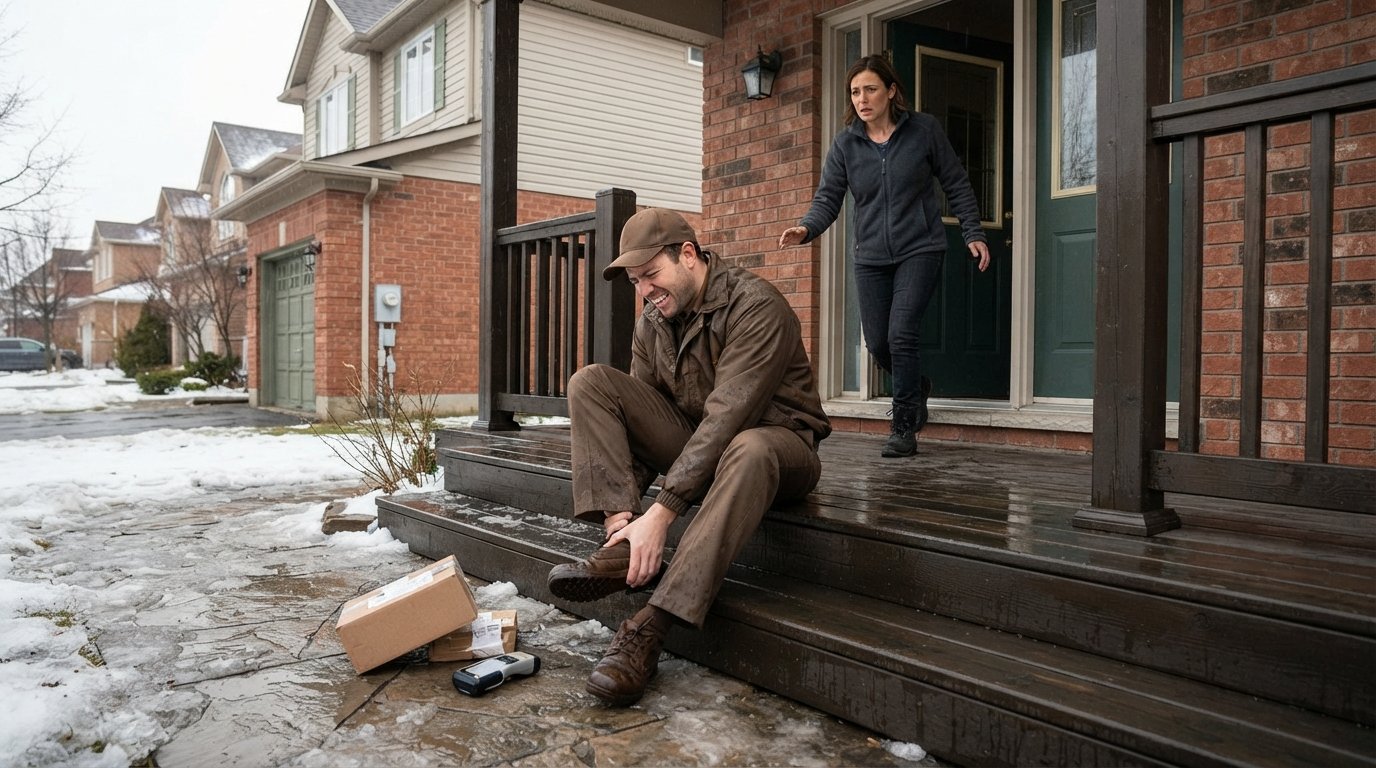
A guest slips on your icy driveway, or a delivery driver trips over a loose porch board. Your first thought might be, "Does homeowners insurance cover a slip and fall on my property?" The short answer is often yes, but the details matter enormously. A standard homeowners policy typically includes personal liability coverage that can pay for medical bills, legal defense, and settlements when someone is injured on your property. However, exclusions, policy limits, and the specific circumstances of the incident can change everything. Understanding how this coverage works, and what to do when an injury occurs, is essential for protecting your finances and your peace of mind.
How Personal Liability Coverage Responds to Slip and Fall Claims
Most homeowners insurance policies include a personal liability section, often called Coverage E. This coverage protects you if a third party is injured on your property and you are legally responsible. It can pay for the injured person's medical expenses, lost wages, and pain and suffering, up to your policy limit. It also covers the cost of hiring an attorney to defend you if a lawsuit is filed. For a typical policy, personal liability limits start around $100,000 and can go much higher with an umbrella policy or increased coverage.
When a slip and fall occurs, the key question is whether you were negligent. Homeowners have a legal duty to maintain reasonably safe premises. If you knew about a hazard, like a broken step or a wet floor, and failed to fix it or warn guests, you could be held liable. Your insurance company will investigate the claim, assess the facts, and decide whether to pay or defend you. Importantly, the policy responds regardless of who is at fault, but the insurer will only pay if you are legally liable. If the injured person was trespassing or ignored obvious warnings, your liability may be reduced or eliminated.
It is also worth noting that personal liability coverage extends beyond your property lines in some cases. For example, if you accidentally injure someone while away from home, your homeowners policy may still apply. But for slip and fall claims, the location is almost always your property, and the coverage is triggered when the injured party makes a claim against you. The insurer has a duty to defend you, meaning they will hire a lawyer and pay legal costs even if the claim is groundless, up to the policy limits.
When a Slip and Fall May Not Be Covered
While personal liability coverage is broad, there are notable exclusions. Intentional acts are never covered. If you deliberately cause someone to fall, your policy will not protect you. Business use of the home is another common exclusion. If you run a daycare, a home salon, or a rental property, injuries arising from that business activity may fall outside your standard homeowners policy. You would need a separate business liability policy or a rider to cover those risks. Similarly, if the injury occurs in a part of the home used exclusively for business, coverage may be denied.
Another exclusion involves injuries to household members. Standard policies exclude liability for injuries to the named insured and resident relatives. If your spouse or child slips on the stairs, the policy will not pay for their injuries under the liability section (though medical payments coverage might apply). Also, if the injured person is an employee of yours, like a nanny or housekeeper, workers compensation rules may apply, and your homeowners policy may not respond. Finally, if the injury results from a vehicle (e.g., a car leaking oil on the driveway causing a slip), your auto insurance or the vehicle owner's policy may be primary.
Policy limits are another critical factor. If a slip and fall results in a severe injury, the damages could exceed your liability limit. In that case, you could be personally responsible for the excess. Many homeowners choose to add an umbrella policy for extra protection. It is wise to review your policy limits and exclusions with your insurance agent to understand your exposure.
Steps to Take After a Slip and Fall on Your Property
If someone falls on your property, your immediate actions matter. First, ensure the injured person receives medical attention. Call 911 if necessary. Do not admit fault or make promises about payment. Instead, gather information: take photos of the scene, the hazard, and any injuries. Note the time, date, and conditions (e.g., wet floor, poor lighting). Get the injured person's contact information and ask if they want to provide a statement. If there are witnesses, collect their names and phone numbers. Document everything you remember as soon as possible.
Next, report the incident to your homeowners insurance company promptly. Most policies require you to notify the insurer of any potential claim. Failure to do so could jeopardize coverage. Your insurer will guide you through the claims process and may assign an adjuster to investigate. Do not discuss the incident with the injured party or their representatives without consulting your insurer. If you receive any legal documents, forward them to your insurer immediately. Keep a record of all communications and expenses related to the incident.
Finally, consider whether you need legal advice. Even if you believe you are not at fault, a claim can escalate. Consulting an attorney can help you understand your rights and obligations. If you are unsure where to turn, resources like Does Homeowners Insurance Cover a Guest Injured at My House? provide additional context on liability and coverage. For a broader evaluation of your situation, you can also use platforms like LawyerCaseReview to connect with legal professionals who can assess your case. Remember, FormsByLawyers is not a law firm and does not provide legal advice, but it can help you find experienced attorneys through its patented selection process.
How to Seek Legal Guidance Through FormsByLawyers
If a slip and fall claim turns into a dispute, or if you simply want to understand your legal exposure, seeking professional guidance is prudent. FormsByLawyers offers a free, no-obligation case review service that connects you with top-tier attorneys. The platform uses a patented attorney selection process to identify the top five percent of attorneys annually based on peer influence and research. This means you can be matched with skilled legal professionals who handle personal injury defense or premises liability cases. The service is designed to be quick and confidential, with tools like Quick Quotes and Customized Quotes to help you assess your needs.
Using FormsByLawyers does not create an attorney-client relationship, and the site does not endorse any specific professional. However, it serves as a valuable resource for individuals facing legal challenges. Whether you are a homeowner concerned about a claim or an injured party seeking compensation, the platform can help you take the next step. By providing educational content and a vetted network of attorneys, FormsByLawyers aims to simplify the process of finding legal representation. Always remember that the site is not a law firm and does not provide legal advice; it is a connection service.
In the end, understanding whether homeowners insurance covers a slip and fall on your property is about knowing your policy, acting responsibly, and seeking help when needed. With the right information and support, you can navigate the aftermath of an injury with confidence.