
AFFF Firefighter Foam Lawsuit: PFOS Exposure Claims Explained
Firefighters exposed to AFFF foam face serious PFOS health risks. Request a free case review to explore your legal options and seek compensation.

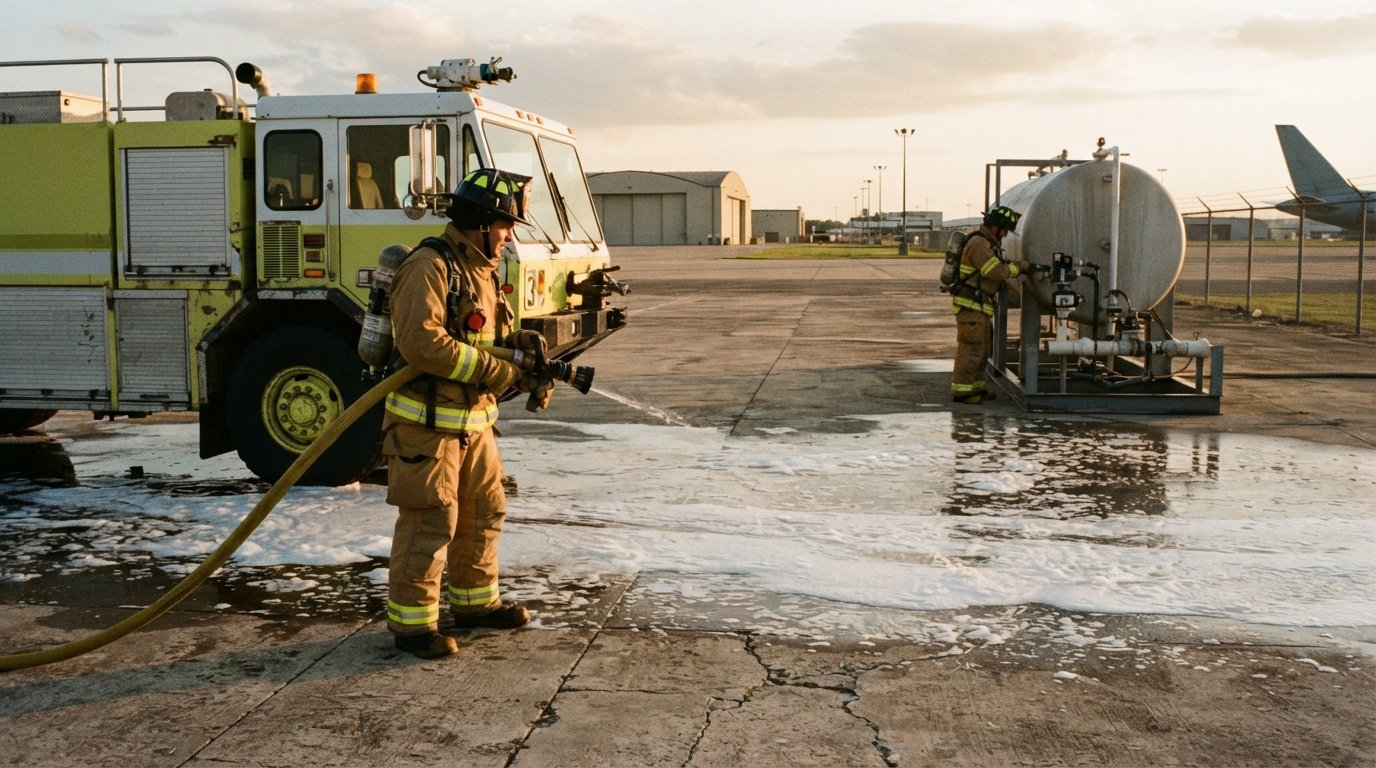
Firefighters put their lives on the line every shift, often without realizing that the very foam used to extinguish dangerous fuel fires could pose a long-term threat to their health. Aqueous film-forming foam (AFFF), once a staple at military bases, airports, and industrial sites, contains per- and polyfluoroalkyl substances (PFAS), including PFOS and PFOA. These chemicals have been linked to serious medical conditions, and a growing wave of litigation is giving exposed individuals a path to seek accountability. If you or a loved one worked with AFFF and later received a troubling diagnosis, understanding your rights starts with clear, reliable information.
What Is AFFF and Why Are PFAS Chemicals a Concern?
AFFF is a firefighting foam designed to smother flammable liquid fires by forming a film over the surface. For decades, it was considered indispensable at military installations, commercial airports, and chemical plants. The problem lies in its key ingredients: PFAS, a family of synthetic chemicals that do not break down easily in the environment or the human body. PFOS (perfluorooctane sulfonate) and PFOA (perfluorooctanoic acid) are two of the most studied members of this group.
When AFFF is used, PFAS can seep into soil and groundwater, contaminating drinking water supplies near training areas and crash sites. Firefighters who handled the foam, trained with it, or worked in areas where it was stored may have been exposed through skin contact, inhalation of mist, or ingestion of contaminated water. Once inside the body, these chemicals can persist for years, which is why even distant exposure may remain relevant to health outcomes.
Health Conditions Linked to PFOS and PFAS Exposure
Scientific research and regulatory reviews have identified associations between PFAS exposure and several serious health conditions. The strongest evidence points to certain cancers and thyroid disorders, though the list of potential effects continues to evolve as studies mature. For firefighters and other exposed workers, the following conditions are frequently cited in litigation:
- Kidney cancer (renal cell carcinoma) and testicular cancer
- Thyroid disease, including hypothyroidism and thyroid cancer
- Ulcerative colitis
- Liver damage and elevated cholesterol
- Pregnancy-induced hypertension and other reproductive harms
It is important to note that not every person exposed to AFFF will develop these conditions, and the presence of a diagnosis does not automatically guarantee a successful claim. However, if you have a documented diagnosis and a credible history of exposure, an attorney can evaluate whether your situation fits the patterns seen in current litigation. The AFFF firefighter foam lawsuit eligibility and claims process guide offers a deeper look at how these factors come together.
Who May Be Eligible to File an AFFF Firefighter Foam Lawsuit?
Eligibility for PFOS exposure claims generally hinges on two core elements: proof of exposure and a qualifying medical diagnosis. Exposure can come from occupational use of AFFF, living or working near a contaminated site, or consuming water from a affected supply. Firefighters, both military and civilian, are among the most commonly recognized groups, but airport personnel, industrial workers, and residents near military bases may also have claims.
Documentation plays a central role. Medical records that clearly identify the condition, dates of diagnosis, and treatment history strengthen a claim. Equally important is evidence of exposure, such as employment records, training logs, or proof of residence in a known contamination zone. Because PFAS-related illnesses can take years to develop, the timeline between exposure and diagnosis is often scrutinized. An experienced attorney can help gather the necessary records and assess whether a claim is viable.
If you are unsure whether your circumstances meet the criteria, a free case review can provide clarity. FormsByLawyers offers a no-cost, no-obligation way to connect with legal professionals who handle mass tort cases, including AFFF claims. The platform does not provide legal advice or endorse any specific attorney, but it can help you take the first step toward understanding your options.
How the Claims Process Works and What to Expect
Filing an AFFF firefighter foam lawsuit typically begins with a consultation, during which an attorney reviews your exposure history and medical records. If the case proceeds, it may be consolidated with other similar claims in a multidistrict litigation (MDL) or handled individually, depending on the jurisdiction and the specifics of your situation. The MDL process is designed to streamline discovery and pretrial proceedings for large groups of plaintiffs while preserving the right to individual trials if needed.
From there, the process generally involves gathering evidence, expert review, and negotiation or trial. Settlements can take time, and each case is unique. While no outcome is guaranteed, the growing body of litigation suggests that manufacturers and distributors of AFFF may face significant liability. For those who have suffered serious harm, pursuing a claim can be a way to seek compensation for medical expenses, lost income, and other damages.
Understanding your legal rights is essential, and resources like AttorneyLawsuit can provide additional context on attorney-related disputes and consumer legal guidance. However, for AFFF-specific claims, working with a qualified mass tort attorney is the most direct path forward.
Steps to Take If You Suspect PFOS Exposure
If you believe you may have been exposed to AFFF and are experiencing health issues, taking organized steps can protect your ability to pursue a claim. Consider the following actions:
- Document your exposure history, including job duties, training exercises, and locations where you worked with or near AFFF.
- Collect medical records, including diagnoses, test results, and treatment notes, especially for conditions linked to PFAS.
- Avoid discarding employment or military records that could establish your exposure.
- Request a free case review through a trusted legal resource to evaluate your eligibility.
Time is a factor in many legal matters, and statutes of limitations can vary by state and claim type. Consulting with an attorney promptly can help preserve your rights and ensure you do not miss critical deadlines.
Why Choose FormsByLawyers for Your Case Review
FormsByLawyers is a legal resources platform that connects individuals with third-party legal professionals, including those experienced in mass tort litigation. Its patented attorney selection process identifies top-tier attorneys based on peer influence and research, helping users find skilled representation. The platform offers Quick Quotes and Customized Quotes to make the process efficient, and it does not charge for case reviews. Importantly, FormsByLawyers is not a law firm and does not provide legal advice; it serves as a bridge to legal professionals who may be able to help.
For firefighters and others affected by PFOS exposure, the path to accountability can feel overwhelming. With the right information and a connection to experienced counsel, you can make informed decisions about your health and your legal options. Start with a free case review and take control of your future.