
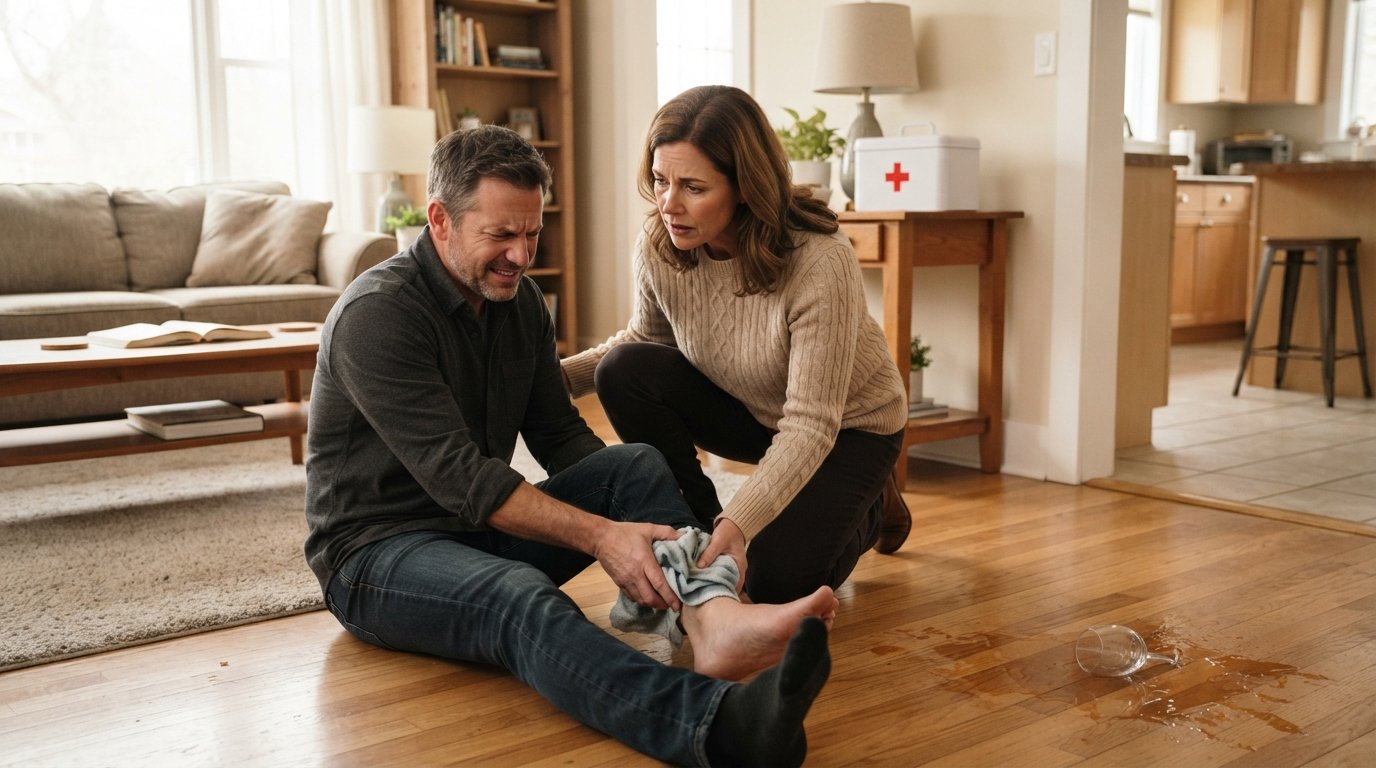
Does Homeowners Insurance Cover a Guest Injured at My House?
Does homeowners insurance cover a guest injured at my house? Learn how liability coverage works, what to document, and when a case review helps.

By Noor Whitby
When a friend slips on your wet kitchen floor or a neighbor's child falls from your trampoline, the immediate concern is their well-being. The next question, often whispered in the aftermath, is whether your homeowners insurance will cover a guest injured at my house. The answer is not a simple yes or no: it depends on the type of policy you hold, the circumstances of the injury, and the limits you selected when you bought your coverage. Understanding how liability protection works can mean the difference between a quick claim resolution and a financial dispute that drags on for months. This guide walks you through the mechanics of homeowners liability coverage, the steps an injured guest should take, and the situations where a legal case review becomes the smarter path forward.
How Homeowners Liability Coverage Responds to a Guest Injury
Most standard homeowners insurance policies include personal liability coverage, typically labeled Coverage E on your declarations page. This component protects you when someone else is injured on your property or when you accidentally cause damage to someone else's property. If a guest is hurt at your house and you are legally responsible, the liability portion of your policy can pay for their medical bills, lost wages, and even pain and suffering, up to your policy limit. It also covers your legal defense costs if the guest sues you, even if the lawsuit is groundless.
The key phrase here is "legally responsible." Homeowners insurance does not automatically pay every guest who gets hurt on your property. It responds when negligence is established, meaning you failed to maintain a safe environment and that failure directly caused the injury. For example, if your staircase has a broken handrail you knew about and a guest falls because of it, your liability coverage would likely apply. If a guest trips over their own feet on a flat, well-maintained sidewalk, your policy probably would not pay because no negligence exists.
Liability coverage also has limits. A typical policy might provide $100,000 to $300,000 in personal liability protection, though higher limits are available. If a guest's injury is severe and their damages exceed your limit, you could be personally responsible for the excess. This is where an umbrella policy or higher liability limits become valuable. The coverage also extends to injuries caused by your family members living in the household, including children and pets, which is important because dog bites are a common source of guest injury claims.
What an Injured Guest Should Document After an Accident
If you are the injured guest, your first priority is medical care. Once you have been evaluated by a healthcare professional, the documentation you gather in the hours and days following the injury can significantly affect how smoothly an insurance claim proceeds. Insurance adjusters rely on evidence, and the more complete your records, the harder it is for an insurer to dispute the severity or cause of your injury.
Start by photographing the scene as soon as possible. Capture the hazard that caused the fall, the surrounding area, and any visible injuries. If there were witnesses, collect their names and contact information. Ask the homeowner for their insurance company name and policy number, which they are generally obligated to provide. Keep every medical record, receipt, and prescription related to the injury, and write down a timeline of events while your memory is fresh.
Here is a practical documentation checklist for an injured guest:
- Photos of the hazard, the scene, and your injuries from multiple angles
- Names and contact details for all witnesses, including other guests
- Copies of medical records, bills, and discharge instructions
- The homeowner's insurance carrier and policy number
- A written timeline of the incident and any communications with the insurer
Do not sign any release or settlement offer from the insurance company before you fully understand the extent of your injuries. Soft tissue injuries and concussions can take days or weeks to fully manifest, and an early settlement may not cover future medical needs. If the insurer pressures you to settle quickly, that is a signal to slow down and consider professional guidance.
When Coverage Disputes and Policy Limits Become an Issue
Coverage disputes arise when the insurance company argues that the homeowner was not negligent, that the injury fell under an exclusion, or that the claim exceeds the policy limit. Common exclusions include intentional acts, injuries arising from business activities conducted on the property, and certain dog breeds. If the homeowner runs a home daycare or a home-based business, a guest injury related to that business may not be covered under a standard homeowners policy.
Policy limits become a serious problem when the injured guest's damages are substantial. A slip and fall that results in a traumatic brain injury can generate medical bills well into the hundreds of thousands of dollars. If the homeowner carries only $100,000 in liability coverage, the guest may need to pursue the homeowner's personal assets to recover the full amount. In these situations, the insurance company may offer the policy limit and walk away, leaving the guest to negotiate directly with the homeowner or file a lawsuit.
Another common dispute involves the definition of "guest" versus "invitee" or "trespasser." The legal duty a homeowner owes depends on the visitor's status. Guests invited onto the property are owed a reasonable duty of care, while trespassers are owed a lower duty. If there is any question about whether the injured person was invited or had permission to be on the property, the insurer may investigate that status before accepting liability. For complex injury claims involving serious trauma, understanding how a lawyer maximizes recovery through evidence and expert testimony can be the difference between a fair settlement and a lowball offer.
Steps Homeowners Should Take After a Guest Is Injured
As a homeowner, your response in the moments and days after an injury can protect both the guest and your financial interests. First, ensure the guest receives medical attention. Do not admit fault or make statements about negligence, even casually, because those statements can be used against you later. Report the incident to your insurance company promptly, as most policies require timely notice of any potential claim.
Cooperate with the insurance adjuster's investigation but avoid giving recorded statements without understanding your rights. Your insurer has a duty to defend you if a claim is filed, but the insurer's interests and your interests are not always identical. If the claim is large or the circumstances are unclear, consider consulting an attorney who handles homeowner liability matters. Keep your own records of the incident, including photos and any communication with the guest or their representatives.
Review your policy annually to confirm your liability limits are adequate for your assets and lifestyle. If you have a swimming pool, trampoline, or aggressive dog breed, you may need additional coverage or a separate umbrella policy. Many homeowners are surprised to learn that their standard policy excludes certain hazards, and a guest injury is not the time to discover a coverage gap.
When to Seek a Legal Case Review Instead of Negotiating Alone
Negotiating a personal injury claim directly with an insurance company is rarely a level playing field. Adjusters handle claims every day and know how to minimize payouts. If you are an injured guest facing mounting medical bills, lost income, or a disputed liability claim, a legal case review can clarify your options and help you avoid costly mistakes.
Consider seeking legal guidance in these situations:
- The injury is severe, requiring surgery, hospitalization, or long-term care
- The insurance company denies the claim or disputes that the homeowner was negligent
- The homeowner's policy limit appears insufficient to cover your damages
- You are unsure whether a settlement offer is fair or covers future expenses
- The homeowner is a friend or family member and you want to preserve the relationship while still protecting your rights
Platforms like GoFreeLegal offer a free, confidential way to describe your situation and connect with attorneys who handle personal injury claims. For homeowners and guests alike, a quick case review can reveal whether a claim is viable, what evidence matters most, and how to proceed without escalating conflict. FormsByLawyers provides a similar service, connecting individuals with legal professionals through a patented selection process that identifies top-rated attorneys based on peer influence and research. Neither platform is a law firm, and neither provides legal advice, but both can help you understand your next steps.
If you are a homeowner facing a claim, legal guidance can help you navigate your insurer's defense obligations and protect your assets. If you are an injured guest, an attorney can negotiate with the insurer on your behalf, gather expert testimony, and file a lawsuit if necessary. In either role, the goal is the same: a fair resolution that accounts for the full impact of the injury.
Key Takeaways for Homeowners and Guests
Homeowners insurance generally covers a guest injured at your house when you are legally responsible for the injury and the claim falls within your policy limits and exclusions. The coverage pays for the guest's medical expenses, lost wages, and other damages, and it also provides legal defense if you are sued. However, coverage is not automatic, and disputes can arise over negligence, exclusions, and policy limits.
Guests should document the scene, seek medical care, and avoid early settlements. Homeowners should report the incident promptly, cooperate with their insurer, and review their liability limits to avoid gaps. When the stakes are high or the claim is disputed, a legal case review offers clarity and leverage. Whether you are the host or the guest, understanding the boundaries of homeowners liability coverage helps you respond with confidence and protect your financial future. GoFreeLegal