How a Lawyer for Brain Trauma Injury Claims Maximizes Your Recovery
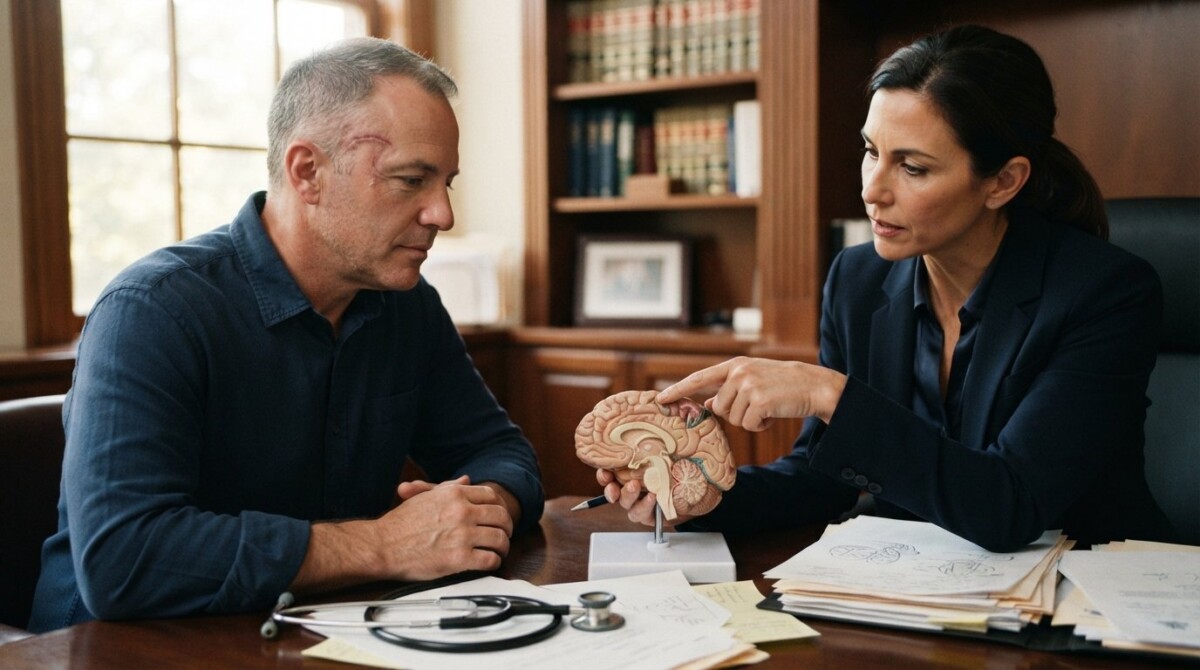
After a traumatic brain injury (TBI), the path forward can feel overwhelming. Between mounting medical bills, lost income, and the long-term uncertainty of your recovery, you may be unsure where to turn. If your injury was caused by someone else’s negligence, a lawyer for brain trauma injury claims can be the difference between a settlement that covers your immediate expenses and one that truly secures your future. But what does that legal advocacy actually look like in practice, and how can you ensure you are working with an attorney who understands the profound complexities of brain injuries?
The reality is that brain trauma claims are unlike any other personal injury case. They require a deep understanding of both medical science and legal strategy. A skilled attorney does not just file paperwork; they build a narrative that connects the cause of your injury to its lifelong consequences. This article walks you through the essential steps of pursuing a claim, the challenges you will face, and how the right legal partner can advocate for the full compensation you deserve. If you are ready to explore your options, a qualified lawyer can offer a free consultation to review your case, often at no upfront cost to you.
The Critical Role of a Brain Trauma Injury Attorney
When you hire a lawyer for brain trauma injury claims, you are not just getting someone to handle negotiations. You are getting an investigator, a medical liaison, and a strategic advocate. Brain injuries are often invisible, and their effects can be subtle yet devastating. Insurance companies frequently downplay these injuries because they are hard to prove. An experienced attorney knows how to counter this skepticism with compelling evidence.
Your lawyer will start by thoroughly investigating how the accident happened. This involves gathering police reports, interviewing witnesses, and reconstructing the event to establish liability. They will then work with medical experts to document the full extent of your injury, using advanced imaging like functional MRIs or neuropsychological assessments. This dual approach ensures that the cause of your injury is clear and that its impact on your life is fully documented.
One of the most important roles an attorney plays is managing the complex legal process on your behalf. From filing deadlines to procedural rules, a single mistake can jeopardize your entire claim. As we outline in our guide on building your case, attorneys use a structured method to compile evidence and present your story effectively. This structure is essential for keeping your claim on track and ensuring no detail is overlooked.
Understanding the True Value of Your Brain Injury Claim
Calculating the value of a brain trauma claim is far more complex than adding up your current medical bills. A seasoned lawyer for brain trauma injury claims will consider both economic and non-economic damages. Economic damages include concrete costs like hospital stays, rehabilitation, and lost wages, but they also must account for future expenses, such as ongoing therapy, medication, and the cost of in-home care.
Non-economic damages are equally important, though they are harder to quantify. These include pain and suffering, emotional distress, and loss of enjoyment of life. A brain injury can alter your personality, memory, and cognitive abilities, affecting every relationship and activity you once loved. An attorney will work with life-care planners and economists to project these future needs and translate them into a monetary value that reflects your true losses.
Here are the key categories of damages a lawyer will pursue on your behalf:
- Medical expenses: Past, current, and future costs for treatment, surgery, and rehabilitation.
- Lost income: Wages you have already lost and your reduced earning capacity in the future.
- Pain and suffering: Physical pain and cognitive or emotional distress caused by the injury.
- Loss of consortium: The impact on your relationships with your spouse or family members.
Each of these categories requires specific evidence. For instance, to prove lost earning capacity, your lawyer may need to hire a vocational expert who can testify about how your cognitive limitations affect your ability to work. This comprehensive approach ensures that the settlement or verdict you receive truly reflects the magnitude of your loss, not just the visible expenses.
Proving Negligence and Liability in Brain Injury Cases
To win your claim, your lawyer must prove that another party was negligent and that their negligence directly caused your injury. This is known as the four elements of negligence: duty, breach, causation, and damages. For a brain trauma case, causation is often the most fiercely contested element. Insurance companies may argue that your injury was pre-existing or that the accident was not severe enough to cause brain damage.
Your attorney will counter these arguments with robust medical evidence. They will obtain your medical records, consult with neurologists, and may hire an accident reconstruction expert to demonstrate the force involved in the impact. For example, in a car accident case, an expert can use crash data to show that the force of the collision was sufficient to cause your brain to strike the inside of your skull, leading to a traumatic brain injury.
The concept of liability can also extend beyond the at-fault driver. In some cases, a manufacturer of a defective product, a property owner who failed to maintain safe conditions, or a government entity responsible for road maintenance could be liable. A lawyer will investigate all potential sources of liability to maximize your recovery. This is why working with an attorney who has access to a network of experts is so important, as you can see in the key steps for a successful claim.
Navigating the Claims Process with an Attorney
The process of filing a brain trauma injury claim involves several stages, and having a lawyer guide you through each one is invaluable. The first step is usually a free consultation where the attorney reviews the details of your case and advises you on your legal options. If you decide to proceed, your lawyer will begin the investigation and gather the necessary evidence.
Once your claim is ready, your attorney will typically send a demand letter to the insurance company. This letter outlines the facts of the case, the extent of your injuries, and the compensation you are seeking. The insurance company will likely respond with a lowball offer, hoping you will accept it out of desperation. An experienced lawyer will reject such offers and negotiate aggressively on your behalf.
If a fair settlement cannot be reached, your case may proceed to litigation. This involves filing a lawsuit, going through the discovery process, and potentially taking the case to trial. While most cases settle before trial, having a lawyer who is prepared to go to court sends a strong message to the insurance company that you will not be bullied into accepting less than you deserve. Throughout this process, your lawyer will handle all communications and procedural requirements, allowing you to focus on your recovery.
For a clearer picture of what this journey entails, you might find it helpful to review how a lawyer maximizes recovery in brain injury claims, which breaks down the negotiation and litigation tactics used to secure optimal outcomes.
Why You Need a Specialist, Not Just Any Personal Injury Lawyer
Not all personal injury lawyers have the experience or resources to handle brain trauma cases effectively. These claims require a specialized knowledge of neurology, rehabilitation, and the long-term psychological effects of brain injury. A lawyer for brain trauma injury claims should have a track record of handling similar cases and a network of trusted medical experts they can call upon.
When you search for an attorney, look for someone who offers a free consultation and works on a contingency fee basis. This means they only get paid if you win your case, which aligns their interests with yours. It also means you can pursue justice without worrying about upfront legal fees, which is crucial when you are already facing financial strain from medical bills and lost work.
During your consultation, ask about their experience with TBI cases, their success rate, and how they plan to prove the extent of your injuries. A specialist will be able to explain complex medical concepts in a way that makes sense and will show genuine empathy for your situation. They will also be transparent about the challenges in your case and the realistic range of outcomes.
At FormsByLawyers, we connect you with attorneys who meet our rigorous standards, including the patented selection process that identifies the top five percent of lawyers each year. This means you can trust that the professionals you are matched with have the skills and resources necessary to handle your brain trauma claim effectively. To understand what you should expect when you work with a dedicated lawyer, you can read about what to expect from your attorney.
Frequently Asked Questions About Brain Trauma Claims
How long do I have to file a brain injury claim?
The statute of limitations for personal injury claims varies by state, but it is typically between one and three years from the date of the accident. However, there are exceptions. For example, if the injured person is a minor or if the injury was not discovered immediately, the deadline may be extended. It is critical to consult with a lawyer as soon as possible to ensure you do not miss the filing deadline.
What is the average settlement for a brain injury claim?
There is no average settlement because each case is unique. The value depends on the severity of the injury, the impact on your life, and the strength of the evidence. Severe TBIs can result in settlements or verdicts in the millions, while milder injuries may yield less. An experienced lawyer can give you a more accurate estimate after reviewing your case.
Can I afford to hire a brain injury lawyer?
Most brain injury lawyers work on a contingency fee basis, meaning they only receive payment if you win your case. This arrangement allows you to pursue your claim without any upfront costs. The lawyer’s fee is typically a percentage of the settlement or verdict, which is agreed upon before you begin.
What if my brain injury was caused by a loved one?
It can be challenging to bring a claim against a family member, but it is sometimes necessary to access insurance coverage that will pay for your medical care. Your lawyer can explain the implications of such a claim and help you navigate this difficult situation with sensitivity.
Taking the First Step Toward Justice
Suffering a brain injury is a life-altering event, but you do not have to face the legal battle alone. A dedicated lawyer for brain trauma injury claims can provide the advocacy, expertise, and support you need to secure the compensation that will fund your recovery and provide for your future. From negotiating with insurance companies to presenting your case in court, they are your strongest ally.
The road to recovery is long, but with the right legal partner, you can focus on healing while they handle the complexities of your claim. If you or a loved one has suffered a brain injury due to someone else’s negligence, do not wait. Contact a qualified attorney today to schedule a free consultation and take the first step toward justice. Your future self will thank you for making that call.