
Third Party Injury Claim When Someone Else Caused the Accident
A third party injury claim when someone else caused the accident can reach hidden insurance coverage. Call (833)-349-4659 for a free case review.

By Adrian Brooks
A third party injury claim when someone else caused the accident is often the difference between a fair recovery and a shortfall that follows you for years. The driver who ran the red light may be obvious, but the company that pushed them to work a double shift, the property owner who ignored a hazard, or the manufacturer of a defective part can also share legal responsibility. When you identify every responsible party early, you protect access to the insurance coverage, assets, and accountability that actually pay for medical care, lost income, and long-term harm.
This article explains how third party claims work, where additional liability commonly hides, how shared fault rules affect your recovery, and why a careful review of the facts with a local attorney matters. It is general information only. FormsByLawyers is not a law firm, does not provide legal advice, and does not endorse any specific attorney. If you need legal guidance about your own situation, a free case review through a service like FormsByLawyers can connect you with a third-party legal professional who can evaluate your options.
What a Third Party Injury Claim Actually Means
In everyday conversation, people say "the accident" as if a single person caused everything. The law rarely sees it that way. A third party injury claim is a claim brought against someone other than the person who directly collided with you or directly caused your injury. That third party may be a business, a property owner, a government entity, or a manufacturer whose conduct contributed to the harm.
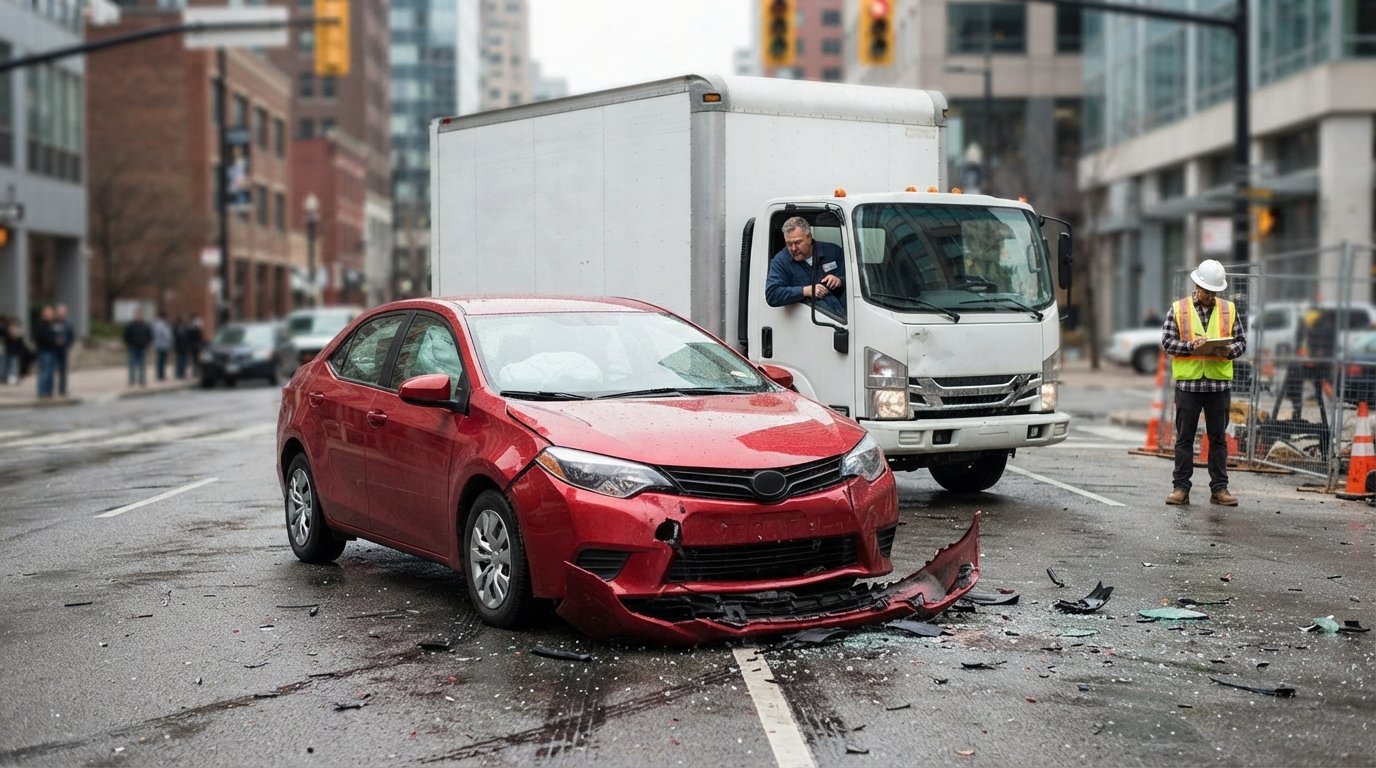
Consider a simple example. Another driver rear-ends you at a stoplight. The direct claim is against that driver and their auto insurer. But suppose the driver was on the clock, driving a company vehicle, and had been dispatched after a 14-hour shift. The employer may share responsibility for negligent hiring, training, or scheduling. That employer is a third party. A claim against them can reach commercial insurance policies and business assets that the individual driver does not have.
Third party claims are not limited to car crashes. They appear in slip and fall cases where a property manager failed to repair a walkway, in construction injuries where a general contractor controlled the site, and in product injuries where a defective design caused harm. The common thread is that someone beyond the immediate actor contributed to the injury, and the law may hold them accountable.
One practical distinction matters from the start. A claim against the at-fault driver usually involves that person's liability coverage. A third party claim may involve commercial general liability policies, workers' compensation carriers, product liability insurance, or even municipal risk pools. Those policies often have far higher limits, which is why identifying third parties early can meaningfully change the value of a case.
Where Additional Liability Commonly Hides
Most people focus on the person who physically caused the crash or the fall. Attorneys and claims professionals look wider. They ask who controlled the conditions, who employed the actor, who maintained the property, and who put the product into the stream of commerce. Several categories of third parties come up again and again.
- Employers and business owners: A delivery company, rideshare platform, or contractor may be responsible for a worker's negligence if the worker was acting within the scope of employment. Negligent hiring, inadequate training, and unrealistic scheduling can also support a claim.
- Property owners and managers: Owners, landlords, and management companies have a duty to keep premises reasonably safe. Poor lighting, unrepaired stairs, slippery floors, and known hazards can create liability when they cause injury.
- Contractors and subcontractors: On construction sites and in multi-employer workplaces, several companies may share control over safety. A general contractor that failed to enforce safety rules may be liable alongside a subcontractor.
- Manufacturers and distributors: Defective tires, brakes, helmets, tools, and machinery can cause injuries. Product liability claims may reach the manufacturer, distributor, or retailer.
- Government entities: Dangerous road design, missing signage, or poorly maintained public property can support claims against municipalities, though special notice rules and shorter deadlines usually apply.
Each of these categories has its own legal standards and insurance dynamics. An employer's liability may depend on whether the worker was on the job at the time. A property owner's liability may depend on whether the hazard was known or should have been discovered. A manufacturer's liability may depend on whether the product was defective when it left the factory. Because the facts drive the outcome, early investigation is critical.
There is also a timing dimension. Evidence such as surveillance video, dispatch records, maintenance logs, and product serial numbers can disappear quickly. The sooner a claim is opened and a preservation letter is sent, the better the chance of securing the proof needed to hold a third party accountable.
How Comparative Fault Rules Affect Claims with Multiple Defendants
Most states use some form of comparative fault, meaning a victim's own negligence reduces recovery in proportion to their share of responsibility. The rules vary, and they matter enormously when multiple defendants are involved. In a pure comparative fault state, you can recover damages even if you were 90 percent at fault, though your award is reduced by your percentage. In a modified comparative fault state, recovery is barred if your fault reaches a certain threshold, often 50 or 51 percent.
When several parties share fault, the jury or claims adjuster assigns percentages. Suppose you are injured in a crash involving a speeding driver and a truck that blocked a crosswalk. The driver may be 50 percent at fault, the trucking company 30 percent, and you 20 percent. Under a modified rule with a 50 percent bar, you could still recover, but your damages would be reduced by your 20 percent share. Under a pure rule, the same reduction applies without the bar.
Joint and several liability rules add another layer. In some jurisdictions, a defendant who is found mostly at fault can be held responsible for the entire judgment, even if other defendants cannot pay. In others, each defendant pays only their share. These rules affect strategy, settlement leverage, and how aggressively each insurer defends its insured.
For injury victims, the practical lesson is that multiple defendants can help or complicate a case. More defendants can mean more insurance coverage and more pressure to settle fairly. But they can also mean finger-pointing, delays, and disputes over percentages. An attorney who understands your state's comparative fault rules can evaluate how a shared-fault finding would affect your net recovery and structure the claim accordingly.
Why Identifying All Liable Parties Early Protects Compensation
The single biggest reason to investigate third parties early is money. The at-fault driver may carry only the state minimum in liability coverage, which is often far less than the cost of serious injuries. A third party claim can reach additional policies, such as an employer's commercial auto policy, a property owner's general liability policy, or a manufacturer's product liability coverage. Those policies can provide the funds needed for surgery, rehabilitation, and long-term care.
Early identification also protects against procedural traps. Government entities often require written notice within a short window, sometimes as little as 60 or 90 days. Product claims may require preservation of the product and expert inspection before it is repaired or discarded. Employer claims may depend on evidence of scope of employment that is best gathered before memories fade. Missing these steps can permanently reduce or eliminate a claim.
There is also a strategic benefit. When insurers know that multiple parties may share liability, they often approach settlement differently. A commercial carrier facing a well-documented third party claim may be more willing to pay policy limits early rather than risk a trial with multiple defendants. That leverage can translate into a faster, larger recovery.
Finally, identifying all liable parties helps avoid a release that gives away rights you did not know you had. If you settle only with the at-fault driver and sign a broad release, you may unintentionally waive claims against an employer or manufacturer. An attorney can structure releases to preserve remaining claims and ensure you are not leaving compensation on the table.
For a deeper look at how attorneys build complex injury cases, including the investigation and evidence-gathering process, see this guide on building a brain trauma injury claim. The same disciplined approach, early investigation, expert review, and careful documentation, applies to third party claims generally.
Steps to Take After an Accident with Potential Third Parties
What you do in the days after an accident can shape whether a third party claim is viable. The steps below are practical and apply to most injury situations, whether the harm occurred on a road, in a store, on a job site, or through a product.
- Get medical care and document your injuries. Your health comes first. Consistent medical records also create the foundation for proving causation and damages.
- Preserve evidence. Photograph the scene, vehicles, hazards, and visible injuries. Save clothing, receipts, and the product involved if safe to do so. Note names, phone numbers, and insurance information for everyone involved.
- Identify who was involved and who controlled the conditions. Ask whether anyone was working, who owned the property, who maintained it, and whether a product failed. Write down what you remember while it is fresh.
- Notify insurers but avoid recorded statements. Report the accident as required, but do not give a recorded statement or sign a release before consulting an attorney. Insurers may use early statements to minimize or deny claims.
- Request a free case review. A legal professional can investigate liability, identify third parties, and advise on deadlines. FormsByLawyers offers a no-cost, no-obligation case review that connects you with a third-party attorney who can evaluate your situation.
These steps are not a substitute for legal advice, and they do not create an attorney-client relationship. They are a practical framework for protecting your rights while you decide how to proceed. If you are unsure whether a third party is involved, err on the side of preserving evidence and seeking a professional review.
Working with a Local Attorney to Review Liability Facts
Liability facts are local. State law governs comparative fault, premises liability, product liability, and government notice requirements. Local courts and juries have their own tendencies. An attorney who practices in your jurisdiction can evaluate the specific facts, identify the right defendants, and anticipate how insurers and judges will respond.
When you request a case review, come prepared with the basics: the date and location of the accident, who was involved, what medical treatment you received, and any documents or photos you have. Ask direct questions about deadlines, potential third parties, and how fees and costs are handled. A reputable attorney will explain the process clearly and will not pressure you to sign anything on the spot.
If you are also concerned about professional conduct or fee disputes involving a lawyer, resources such as AttorneyLawsuit provide consumer-oriented information about legal disputes involving attorneys and law firms. That kind of background can help you ask better questions and understand your rights as a client.
Finally, remember that a third party injury claim when someone else caused the accident is not a lottery ticket, and it is not a quick process. It is a structured legal claim that requires proof of duty, breach, causation, and damages against each defendant. The stronger the evidence and the earlier the investigation, the better the chance of a fair outcome.
If you are facing mounting medical bills and lost wages after an accident that may involve more than one responsible party, do not wait for the insurance company to sort it out. A free, confidential case review can clarify your options and connect you with a qualified attorney who can protect your interests from the start.