
PFAS Forever Chemicals Contamination Exposure Claims Explained
PFAS forever chemicals contamination exposure claims explained: understand exposure sources, alleged health conditions, and how to request a case review. Call (833)-349-4659 for guidance.

By Ansel Reed
PFAS forever chemicals contamination exposure claims explained begins with a simple fact: these synthetic compounds do not break down easily in the environment or the human body. That persistence has turned them into one of the most widespread contamination issues in the United States, touching drinking water systems, military bases, industrial sites, and even household products. For people who lived or worked near known contamination zones, the question is no longer whether PFAS exist in the environment. It is whether that exposure caused harm and whether legal options exist to pursue compensation. This article breaks down the science, the litigation landscape, and the practical steps affected individuals can take to understand their rights.
What Are PFAS and Why They Are Called Forever Chemicals
Per- and polyfluoroalkyl substances, or PFAS, are a family of thousands of man-made chemicals used since the 1940s to make products resistant to heat, water, and oil. They appear in nonstick cookware, water-repellent clothing, food packaging, firefighting foam, and industrial processes. The carbon-fluorine bond that gives PFAS their useful properties also makes them extraordinarily resistant to degradation. That is why scientists and regulators refer to them as forever chemicals.
Once released into soil or water, PFAS can migrate long distances and accumulate in plants, animals, and people. The Centers for Disease Control and Prevention has detected PFAS in the blood of most Americans tested, indicating widespread background exposure. The health concern is not a single high-dose event for most people. It is chronic, low-level exposure over years or decades, often through drinking water contaminated by nearby industrial or military activity.
Regulatory attention has increased sharply. The Environmental Protection Agency has proposed and finalized drinking water limits for several PFAS compounds, and states have set their own standards. These regulatory actions matter for litigation because they help establish what levels of exposure are considered unsafe and which parties may have known about the risks.
Common Sources of PFAS Contamination and Exposure
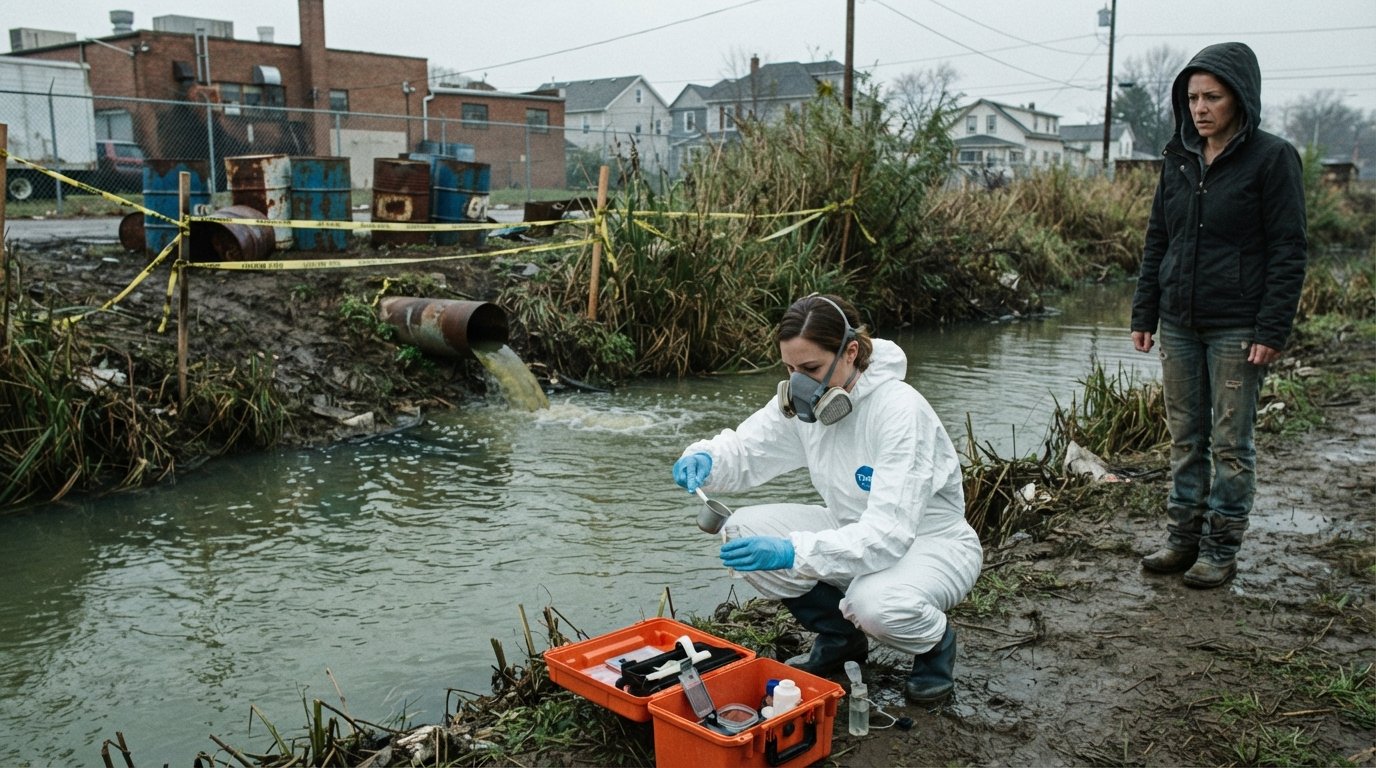
PFAS contamination does not come from one single source. It typically enters communities through multiple pathways, and identifying the dominant source is a key part of any legal claim. The most litigated sources include aqueous film-forming foam, known as AFFF, used at military bases and airports for fire training and emergency response. When AFFF is used repeatedly in one location, PFAS can seep into groundwater and contaminate nearby wells and municipal water supplies.
Industrial facilities that manufacture or use PFAS also contribute. Chemical plants, paper mills, textile manufacturers, and metal plating operations have been linked to localized contamination. Landfills and wastewater treatment plants can concentrate PFAS and release them into the environment. For consumers, exposure can also come from food packaging, cosmetics, and treated textiles, though these routes are harder to tie to a specific defendant.
For legal purposes, the most actionable exposure scenarios usually involve a identifiable source, such as a military installation, a factory, or a water utility that drew from a contaminated aquifer. The following list summarizes the primary exposure routes that appear in PFAS-related claims:
- Drinking water from municipal systems or private wells near military bases, airports, or industrial sites
- Occupational exposure among firefighters, chemical plant workers, and military personnel who handled AFFF
- Consumer products such as nonstick cookware, stain-resistant carpets, and grease-resistant food wrappers
- Soil and food grown in contaminated areas where PFAS have accumulated
- Indoor dust in workplaces or homes where PFAS-containing materials were used
Each route has different legal implications. Occupational exposure may support workers compensation claims in addition to product liability or mass tort actions. Drinking water contamination often leads to class actions or multidistrict litigation against manufacturers and, in some cases, the government. Consumer product exposure is more difficult to prove because the link between a specific product and a specific injury is harder to establish.
Health Conditions Alleged in PFAS-Related Litigation
PFAS litigation is not based on the mere presence of chemicals in the body. Plaintiffs must allege that exposure caused a specific diagnosable condition. Over years of research, several health effects have been associated with PFAS exposure, and these associations form the basis of many claims. The most commonly alleged conditions include certain cancers, thyroid disease, ulcerative colitis, high cholesterol, and pregnancy-induced hypertension.
Testicular cancer and kidney cancer are among the most frequently cited cancers in PFAS lawsuits, particularly those involving AFFF. Some studies have also linked PFAS to liver damage, immune system suppression, and developmental effects in children. The strength of the scientific evidence varies by condition, and courts often rely on expert testimony to determine whether a particular injury can be attributed to PFAS exposure.
It is important to understand that an association in a scientific study does not automatically prove causation in a legal case. Plaintiffs must show that their exposure was significant enough and that the defendant's conduct was responsible. That is why documentation of exposure history is critical. For a broader look at how contamination claims are structured, including eligibility requirements and proof standards, see this guide on Camp Lejeune water contamination claim eligibility, which explains how residence and service records can support a claim.
How AFFF Claims Differ from Broader PFAS Contamination Cases
AFFF claims are a distinct subset of PFAS litigation, and they have driven much of the recent legal activity. AFFF was used extensively by the Department of Defense and civilian airports for decades. The foam contains PFAS compounds that can contaminate groundwater at and around training areas. Many of the earliest and largest PFAS settlements involved AFFF manufacturers and users.
Broader PFAS contamination cases, by contrast, may involve industrial discharges, landfill leachate, or consumer products. These cases often proceed as class actions on behalf of residents whose drinking water was contaminated, or as individual personal injury suits. AFFF claims tend to focus on occupational exposure among firefighters and military personnel, as well as community exposure near bases. The defendants in AFFF cases have included chemical manufacturers and, in some instances, the federal government.
The procedural posture also differs. Many AFFF claims have been consolidated into a multidistrict litigation in the District of South Carolina, while other PFAS cases proceed in state courts or as part of separate settlements with water utilities. For affected individuals, the key takeaway is that the type of exposure and the identity of the responsible party determine which legal track applies. An attorney can help determine whether a claim belongs in an AFFF settlement, a broader PFAS class action, or an individual lawsuit.
Proving Exposure: Residence, Work History, and Medical Records
Building a PFAS claim requires more than a diagnosis. It requires a credible narrative that connects the plaintiff's exposure to a specific source and time period. The strongest evidence typically includes proof of residence or employment in a known contamination area, documentation of water testing or environmental reports, and medical records showing the alleged condition.
Residence history can be established through utility bills, leases, mortgage documents, tax records, and school or employment records. For military personnel, service records and base assignments are critical. Work history matters for firefighters, chemical plant employees, and others with occupational exposure. If a private well was the water source, records of well installation and any testing results can be powerful evidence.
Medical records should include diagnosis dates, treatment history, and any statements from treating physicians about possible environmental causes. Expert witnesses may later opine on the likelihood that PFAS exposure contributed to the condition. Because these cases can take years, maintaining a complete and organized file from the beginning is essential. The following steps outline a practical approach to documenting exposure:
- Gather proof of residence or employment for each year you lived or worked near the suspected contamination source.
- Request water quality reports from your municipal utility or, for private wells, arrange for PFAS testing if possible.
- Collect medical records, including pathology reports, imaging, and physician notes related to the diagnosed condition.
- Keep a timeline of when you learned about the contamination and when you were diagnosed.
- Consult with an attorney experienced in PFAS or mass tort litigation to evaluate the strength of your evidence.
Even with strong documentation, these cases face challenges. Defendants may argue that background exposure, genetics, or other factors caused the condition. Statutes of limitation and repose can bar claims if too much time has passed since diagnosis or exposure. That is why early legal consultation is important, even if you are still gathering records.
Where to Find Resources and Request a Case Review
If you believe you were exposed to PFAS through contaminated water, firefighting foam, or an industrial site, you do not have to navigate the process alone. Informational resources can help you understand the science and the litigation landscape, but they cannot replace personalized legal advice. A qualified attorney can review your exposure history, explain potential claims, and help you decide whether to pursue compensation.
FormsByLawyers connects individuals with third-party legal professionals who pay to promote their services. The platform offers a patented attorney selection process that identifies the top five percent of attorneys annually based on peer influence and research. Users can request a no-cost, no-obligation case review through Quick Quotes or Customized Quotes, which help assess legal needs without upfront financial commitment. FormsByLawyers is not a law firm, does not provide legal advice, and does not endorse any specific attorney. It simply facilitates connections with legal professionals who may be able to help.
For law firms and solo practitioners, platforms like AttorneyLeads provide exclusive, pre-screened legal leads across practice areas, including mass torts and personal injury. This can be a valuable resource for attorneys looking to grow their PFAS or environmental litigation practices while connecting motivated consumers with qualified representation.
Before choosing a lawyer, consider asking about their experience with PFAS or similar mass tort cases, how they handle fees and costs, and what timeline you can expect. Most PFAS attorneys work on a contingency fee basis, meaning you pay nothing unless they recover compensation for you. Be cautious of any representative who guarantees a specific outcome or pressures you to sign immediately.
PFAS contamination is a complex and evolving area of law. The science continues to develop, and new regulations may open additional pathways for claims. If you have a diagnosed condition and a credible history of exposure, speaking with an attorney can help you understand your options and protect your rights. Whether your exposure came from a military base, a local water system, or an industrial employer, the legal system offers mechanisms to seek accountability and compensation. Taking the first step toward a case review can provide clarity and direction in an otherwise overwhelming situation.