
Injury Claim Against a Hotel or Resort After an Accident
Learn how to pursue an injury claim against a hotel or resort after an accident. Call (833)-349-4659 for a free case review and protect your rights.

By Ethan Gallagher
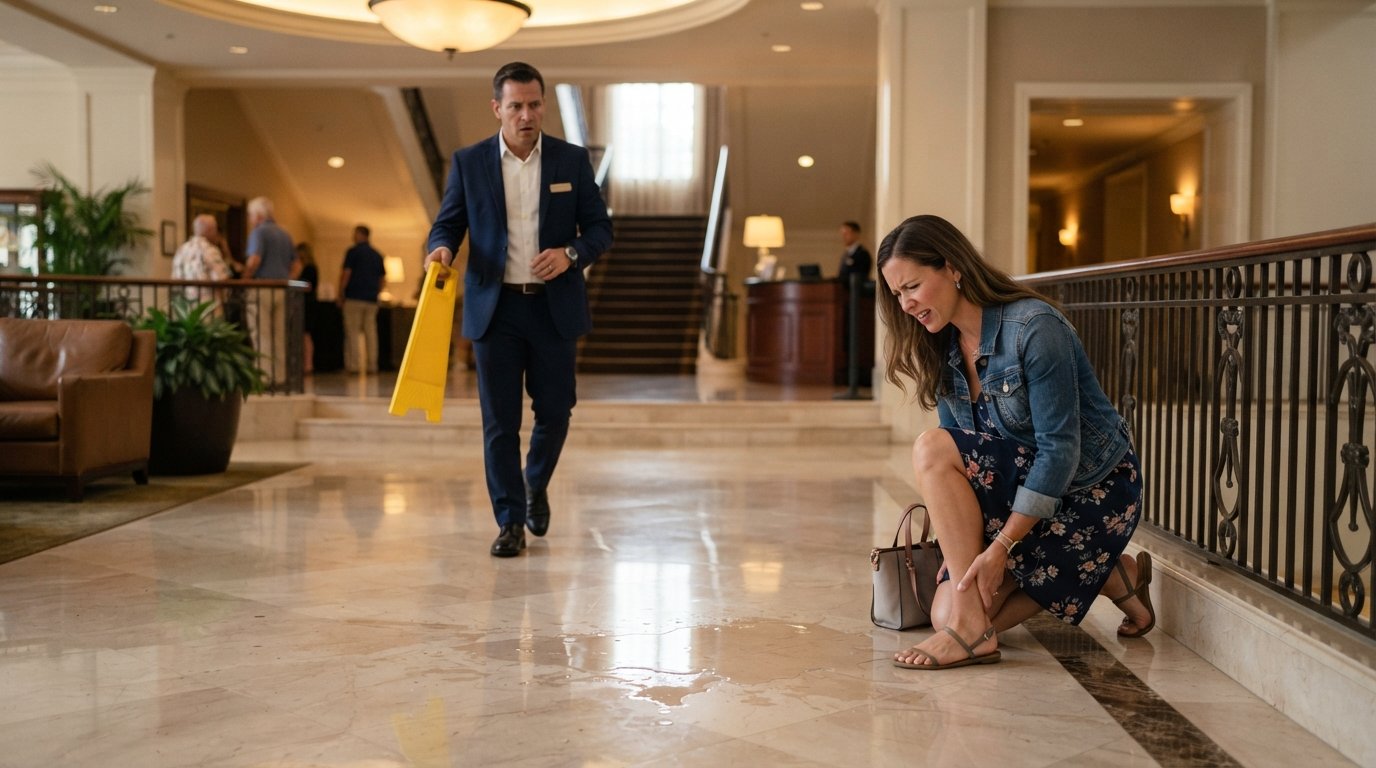
A slip on a wet lobby floor, a fall from a broken balcony railing, or an assault in an unlit parking garage can turn a vacation into a painful ordeal. When you are hurt at a hotel or resort, the path to recovery can feel overwhelming, especially when the property denies responsibility or rushes you to sign away your rights. You may wonder who is at fault, what evidence you need, and how long you have to act. This guide explains the legal duties hotels owe guests, the most common hazards that cause injuries, the steps to preserve crucial evidence, and how to pursue an injury claim against a hotel or resort after an accident. It also highlights how FormsByLawyers can connect you with experienced attorneys who handle hospitality injury cases, giving you a clear path forward without upfront costs.
Premises Liability: The Legal Duties Hotels and Resorts Owe You
Hotels and resorts are not ordinary property owners. They operate as businesses that invite the public onto their premises for profit, which triggers a heightened legal duty of care. Under premises liability law, innkeepers must keep their property reasonably safe, inspect for hazards, and warn guests about dangerous conditions they know or should know about. This duty extends to all areas guests are expected to use: lobbies, hallways, guest rooms, pool decks, fitness centers, restaurants, parking lots, and even surrounding walkways that the hotel controls.
The specific standard varies by state, but most jurisdictions hold hotels to a "reasonable care" standard. That means the hotel must act as a prudent operator would under similar circumstances. For example, a hotel that knows its lobby floor becomes slick during rainstorms must place mats, post signs, or dry the floor promptly. A resort that installs a decorative railing must ensure it meets building codes and is regularly inspected. If the hotel fails to meet this standard and that failure causes your injury, you may have grounds for a claim.
Hotels also have a duty to protect guests from foreseeable criminal acts. If a parking garage has a history of assaults, the hotel may be required to increase lighting, add security patrols, or install cameras. When a hotel ignores known security risks, it can be held liable for injuries that result. Proving this type of negligence often requires evidence of prior incidents, which is why preserving records early is critical.
It is important to understand that not every accident creates liability. If you tripped on your own shoelace or ignored an obvious warning sign, the hotel may argue comparative fault. But when the property's negligence played a role, an experienced attorney can help you build a strong case. FormsByLawyers' free case review tool can connect you with a hospitality injury lawyer who understands these nuances and can evaluate your claim quickly.
Common Hazards That Lead to Hotel and Resort Injuries
Hotel and resort accidents happen in many ways, but certain hazards appear again and again in injury claims. Recognizing these common dangers can help you document what happened and explain your case to an attorney. The following list covers the most frequent culprits:
- Wet floors and spills: Lobby tiles, pool decks, and bathroom floors become dangerous when water or cleaning chemicals are left unattended. Without proper signs or timely cleanup, guests can suffer serious slip and fall injuries.
- Defective railings and balconies: Loose handrails, rusted balcony supports, and inadequate guardrails can give way, leading to catastrophic falls. These defects often stem from poor maintenance or code violations.
- Pool and spa hazards: Missing drain covers, slippery pool decks, lack of lifeguards, and unclear depth markings can cause drowning, near-drowning, or spinal injuries. Resorts with water parks face even higher risks.
- Security failures: Inadequate lighting in parking garages, broken locks on guest room doors, and absent security patrols can lead to assaults, robberies, and other violent incidents.
- Furniture and fixture defects: Collapsing chairs, tip-over dressers, and faulty electrical outlets can cause injuries in guest rooms. Hotels are responsible for maintaining safe furnishings.
Each of these hazards requires a different investigative approach. Slip and fall cases often hinge on how long a spill was left on the floor and whether the hotel had notice. Balcony collapse cases may involve building code inspections and maintenance records. Pool accidents may require analyzing drain cover compliance and staffing levels. Security failure cases demand evidence of prior crimes and the hotel's response. An attorney can help you identify the right evidence and expert witnesses to prove your claim.
If you were injured by one of these hazards, do not downplay your injuries or assume you are partly to blame. Hotels often try to shift fault to guests, but a thorough investigation can reveal the property's negligence. FormsByLawyers' guide on building a brain trauma injury claim explains how attorneys gather evidence in serious injury cases, and many of the same strategies apply to hotel accidents.
Preserving Evidence: Incident Reports, Surveillance Video, and More
After an accident at a hotel or resort, the property's insurance team may begin building its defense within hours. To protect your rights, you must act quickly to preserve evidence that could disappear. The first step is to report the incident to hotel management and request a copy of the incident report. Hotels are often required to document accidents, but they may not voluntarily hand over the report. Ask for the report number and the name of the manager who took it. If you are unable to do this yourself, ask a trusted companion to help.
Surveillance video is another critical piece of evidence. Many hotels have cameras in lobbies, hallways, parking garages, and pool areas. However, footage is often overwritten within days or weeks. Send a written request to the hotel's risk management department asking them to preserve all video from the time of your accident. If the hotel refuses or delays, an attorney can send a spoliation letter, which puts the hotel on notice that evidence must be preserved or they may face legal consequences.
Other evidence to gather includes photographs of the hazard, your injuries, and the surrounding area. Take wide shots and close-ups. Note the lighting, floor conditions, and any warning signs (or lack thereof). Keep your clothing and shoes, as they may contain evidence of a fall or chemical exposure. Collect contact information from witnesses, including other guests and staff members. Save all medical records, bills, and receipts related to your injury. If you were treated at the scene by paramedics, request a copy of their report.
Preserving evidence is one of the most important steps in an injury claim against a hotel or resort after an accident. Without proof of the hazard and the hotel's failure to address it, your case may falter. An attorney can help you send preservation letters, subpoena records, and interview witnesses before memories fade. FormsByLawyers' network includes attorneys who handle hospitality injury claims and know exactly what evidence to pursue.
Notice Requirements and Contract Clauses on Lodging Paperwork
When you check into a hotel or resort, you may sign or initial registration forms, rental agreements, or waivers. These documents can contain clauses that affect your right to sue. Some hotels include arbitration clauses, which require you to resolve disputes through binding arbitration rather than court. Others may include liability waivers for certain activities, such as pool use, fitness centers, or adventure excursions. While such clauses are not always enforceable, they can complicate your claim if you are not aware of them.
Notice requirements are another critical issue. Many states require that you notify the hotel of an injury within a certain timeframe, sometimes as short as 30 or 90 days. Some lodging contracts also specify that you must provide written notice of a claim within a set period. Failing to meet these deadlines can bar your claim entirely, regardless of how strong your evidence is. That is why it is essential to review any paperwork you received and to consult an attorney promptly.
If you signed a waiver before participating in an activity, do not assume you have no recourse. Waivers cannot protect a hotel from gross negligence or intentional misconduct, and courts often scrutinize them closely. An attorney can review the language and advise you on whether it applies to your situation. Keep copies of all documents you signed, and bring them to your first meeting with a lawyer. If you do not have copies, request them from the hotel in writing.
Understanding these contractual and notice issues is vital for anyone pursuing an injury claim against a hotel or resort after an accident. A lawyer can help you navigate the fine print and ensure you do not miss a critical deadline. FormsByLawyers' platform connects you with attorneys who can review your paperwork and explain your options in plain language.
Requesting a Case Review with a Hospitality Injury Attorney
If you were injured at a hotel or resort, the path to compensation can be complex. Insurance companies for hospitality properties often have teams of adjusters and lawyers working to minimize payouts. They may contact you quickly, ask for a recorded statement, or offer a low settlement before you understand the full extent of your injuries. Having an experienced attorney on your side can level the playing field and protect your rights.
FormsByLawyers makes it easy to request a free, no-obligation case review with a hospitality injury attorney. The platform uses a patented attorney selection process to identify the top five percent of attorneys annually based on peer influence and research, so you can feel confident you are connecting with skilled professionals. You can submit your information through a secure form, and a participating attorney will review your case and contact you to discuss your options. There is no cost to use the service, and you are under no obligation to hire anyone.
When you request a case review, be prepared to share details about your accident, including the date, location, and how it happened. Bring any photos, incident reports, medical records, and correspondence with the hotel. The attorney will evaluate the strength of your claim, explain the legal process, and outline potential next steps. If you decide to hire the attorney, most work on a contingency fee basis, meaning you pay nothing upfront and only pay if they recover compensation for you. This arrangement makes legal representation accessible to injured guests who might otherwise be unable to afford a lawyer.
If you are considering an injury claim against a hotel or resort after an accident, do not wait to seek legal guidance. Evidence can disappear, deadlines can pass, and insurance companies can take advantage of unrepresented claimants. FormsByLawyers' attorney referral platform is designed to help you connect with qualified legal professionals who focus on personal injury and hospitality claims. With a free case review, you can get answers and take control of your recovery.
An injury at a hotel or resort can disrupt your life in ways you never expected. But you do not have to face the legal process alone. By understanding the duties hotels owe, identifying common hazards, preserving evidence, and seeking a case review promptly, you can protect your rights and pursue the compensation you deserve. Take the first step today by connecting with a hospitality injury attorney through FormsByLawyers, and move forward with confidence.
Disclaimer: FormsByLawyers.com is not a law firm, is not a lawyer referral service, and does not provide legal advice. The information in this article is for educational purposes only and is not a substitute for consulting with a licensed attorney. Using this site does not create an attorney-client relationship. Participating attorneys and law firms pay to advertise their services on this platform.