
DUI Ignition Interlock Requirements and License Reinstatement
Understand DUI ignition interlock requirements and license reinstatement steps. Call 8333494659 for a free case review and expert legal guidance.

By Orion Fletcher
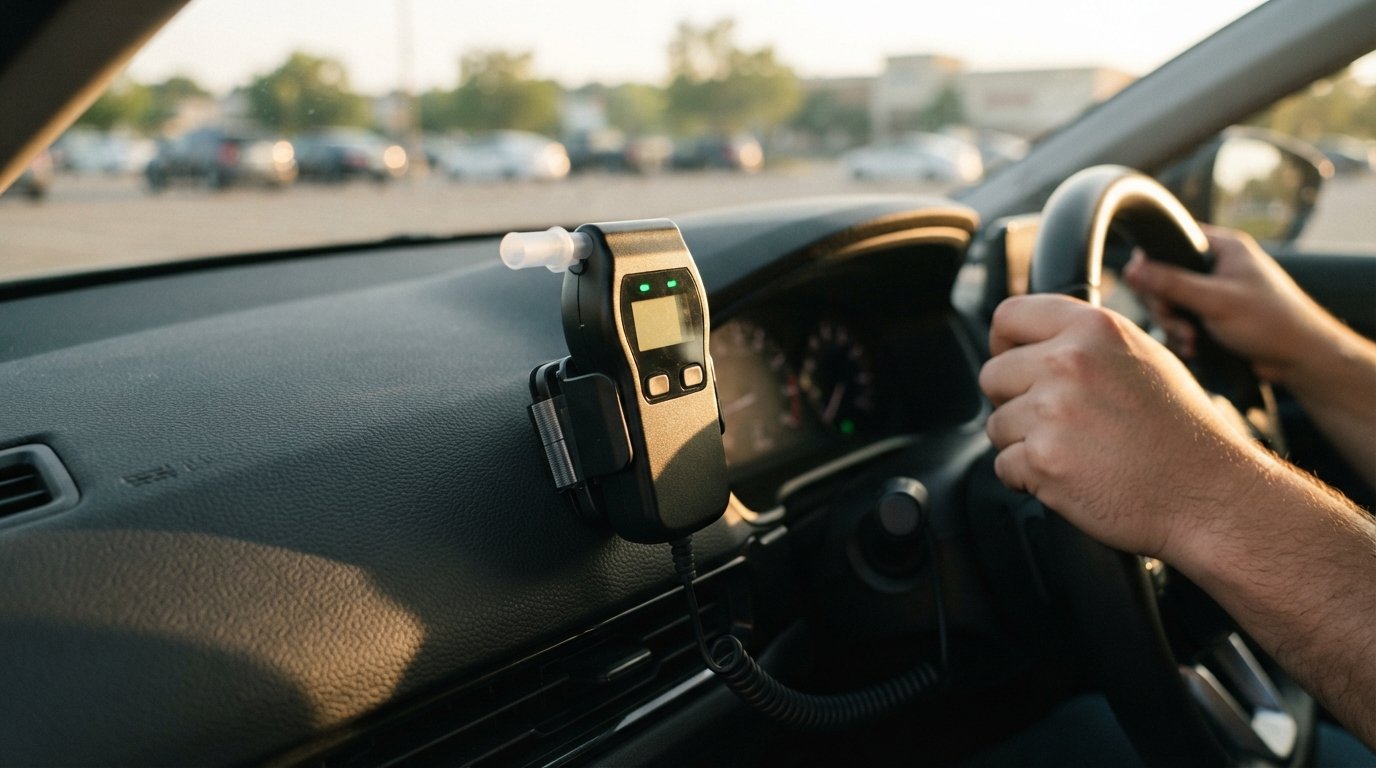
Getting back on the road after a DUI conviction often feels like navigating a maze of paperwork, fees, and court-ordered technology. You may have heard the term ignition interlock thrown around in court or by friends who have been through the system, but understanding exactly what it means for your license reinstatement is another matter entirely. An ignition interlock device (IID) is a breathalyzer wired into your vehicle's ignition system that prevents the car from starting if your blood alcohol concentration (BAC) exceeds a preset limit, usually 0.02 or 0.04. For many drivers, installing and maintaining this device is not optional; it is a mandatory step before driving privileges can be restored. The rules vary significantly from state to state, and the timeline for reinstatement depends on factors like prior offenses, BAC level at the time of arrest, and whether you refused chemical testing. This article breaks down the key requirements, the steps for reinstatement, and the practical realities of living with an interlock so you can approach the process with clarity and confidence.
What Triggers Ignition Interlock Requirements
Not every DUI conviction leads to a mandatory interlock order, but the trend across the United States is toward broader use of the technology. Most states now require an IID for all DUI offenders, including first-time offenders, especially if their BAC was above a certain threshold (often 0.15 or higher). Some states mandate interlocks even for first offenses with lower BAC levels, while others reserve the requirement for repeat offenders or those who refused to submit to a breath or blood test at the time of arrest. Administrative license suspension hearings and criminal court proceedings can impose separate but overlapping interlock obligations, so it is possible to face a court-ordered interlock and a DMV-ordered interlock simultaneously. Understanding which agency controls your reinstatement path is the first step.
In addition to BAC and prior offenses, other factors can influence whether an interlock is required. For example, if you caused an accident with injuries, drove with a suspended license, or had a child in the vehicle, judges often have discretion to impose an interlock as a condition of probation or as part of a plea agreement. Some states also require interlocks for individuals convicted of driving while impaired by drugs, even though the device measures alcohol only. In those cases, the interlock serves as a monitoring tool and a deterrent rather than a direct measure of impairment. Always check your state's specific statutes or consult with a licensed attorney who understands local DUI law, because the details matter enormously.
The duration of the interlock requirement is another variable that catches many people off guard. Typical periods range from six months for a first offense to two years or more for a second or third offense. In some jurisdictions, the clock does not start until the device is actually installed, meaning any delay in installation extends your total time with the interlock. Additionally, if you fail to comply with reporting or calibration appointments, the court or DMV may extend your interlock term or revoke your eligibility for reinstatement altogether. The key takeaway is that the interlock requirement is not just about installing a device; it is about maintaining a perfect compliance record for the entire ordered period.
State-by-State Variations in Interlock Laws
DUI laws are primarily state matters, and interlock requirements reflect that patchwork approach. For instance, California requires interlocks for all DUI convictions in most counties, with a one-year requirement for first offenses and longer for repeat offenses. Texas, by contrast, mandates interlocks for first-time offenders with a BAC of 0.15 or higher, and for all repeat offenders, but allows some first-time offenders with lower BACs to apply for an occupational license without an interlock. Florida requires interlocks for all convictions, with a minimum of six months for first offenses and one to two years for subsequent offenses. New York requires interlocks for all DUI convictions, including DWAI (driving while ability impaired) in some cases, with a minimum of six months and up to three years for felonies.
These variations mean that generic advice found online can be misleading. A friend's experience in one state may not match your obligations in another. Moreover, some states participate in the Interstate Driver's License Compact, which means a DUI conviction in one state can affect your driving privileges in your home state. If you move during your interlock period, you may need to transfer your interlock requirement to the new state, and not all states recognize out-of-state interlock orders in the same way. This complexity is one reason why many drivers seek professional guidance to avoid costly mistakes.
Another layer of variation involves the technology itself. Some states approve only certain brands of interlocks, and the device must be installed by a certified technician. The costs associated with installation, monthly monitoring, and removal also vary widely. In some jurisdictions, indigent drivers can apply for reduced fees or waivers, but the application process can be cumbersome. Before you choose an interlock provider, verify that the company is authorized by your state's DMV or transportation department, and confirm that the specific device model meets your court's requirements. Using an unapproved device can lead to noncompliance and further license suspension.
Steps to License Reinstatement with an Interlock
Reinstating your driver's license after a DUI is a multi-step process that typically begins with a suspension period and ends with the removal of the interlock. While the exact sequence varies by state, the following framework covers the most common requirements.
- Complete any mandatory suspension or revocation period. You cannot begin the reinstatement process until your suspension term has ended. In some states, you may be eligible for a restricted license (often called a hardship or occupational license) before the full suspension ends, but only if you meet specific criteria such as installing an interlock early.
- Fulfill court-ordered conditions. This may include paying fines, completing a DUI education program, attending substance abuse treatment, and serving probation. The court must certify that you have met these obligations before the DMV will consider reinstatement.
- Obtain an SR-22 or equivalent financial responsibility filing. Most states require proof of high-risk auto insurance, often in the form of an SR-22 certificate, for a period of one to three years. Your insurance company files this document directly with the DMV.
- Install an approved ignition interlock device. If required, you must have the device installed by a certified installer and provide proof of installation to the DMV or court. The device must remain in your vehicle for the entire ordered period.
- Pay all reinstatement fees. These fees can range from $100 to over $1,000 depending on your state and the number of prior offenses. Some states also require a separate application fee for the interlock-restricted license.
- Pass any required exams. You may need to retake the written knowledge test, the driving skills test, or both. Some states waive these tests for certain offenders, but it is best to be prepared.
- Receive your restricted or full license. Once all requirements are met, the DMV will issue a license, often with an interlock restriction code. After the interlock period ends successfully, you can apply for an unrestricted license.
Each step has its own timeline and potential pitfalls. For example, a missed calibration appointment for your interlock can reset your compliance clock, and a failed breath test can lead to a violation report that delays reinstatement. Keeping meticulous records of every appointment, payment, and document submission is essential. Many people find it helpful to create a checklist and calendar reminders to stay on track.
If you are facing DUI charges or struggling with reinstatement, you do not have to navigate the system alone. Platforms like CarInjuryAccident connect individuals with seasoned attorneys who specialize in DUI defense and license reinstatement. Having a knowledgeable advocate can help you avoid common mistakes and ensure your paperwork is filed correctly and on time.
Costs and Maintenance of Ignition Interlock Devices
The financial burden of an interlock device goes beyond the initial installation fee. Typical costs include installation ($70 to $200), monthly monitoring ($60 to $100), and removal ($50 to $150). Some states charge additional fees for calibration, data downloads, and camera-equipped devices. Over a one-year period, the total cost can easily exceed $1,000. Many providers offer payment plans, but failure to pay can result in the device being disabled or your account being flagged for noncompliance, which can lead to further license suspension.
Maintenance requirements are equally important. You must bring your vehicle to a service center every 30 to 60 days for calibration and data retrieval. During these appointments, the technician downloads the device's log, which records every breath test, any skipped tests, and any violations. If the log shows a violation, such as a BAC above the limit or a missed rolling retest, the technician reports it to the monitoring authority. You are responsible for keeping these appointments even if you are out of town or ill. Some providers offer mobile calibration services for an extra fee, but availability varies by region.
Beyond the scheduled appointments, the device itself requires daily attention. You must blow into the device to start your car, and then again at random intervals while driving (rolling retests). If you fail to provide a clean sample during a rolling retest, the device will log a violation and may trigger the horn and lights until you pull over and shut off the engine. These features are designed to prevent circumvention, but they can be embarrassing and inconvenient. Understanding these realities before installation can help you prepare mentally and practically.
Common Compliance Mistakes and How to Avoid Them
One of the most frequent mistakes is assuming that the interlock requirement ends automatically when the court-ordered period is over. In reality, you must obtain a removal order or authorization from the DMV or court before the device can be legally removed. Driving without the interlock before you receive that authorization, even if your time is up, can result in a new violation and an extension of your suspension. Always confirm in writing that you are cleared to remove the device.
Another common pitfall is using mouthwash, breath mints, or certain foods before blowing into the device. These can contain trace amounts of alcohol that trigger a false positive. While you can request a retest after a short waiting period, repeated false positives can be logged as violations. It is best to avoid any alcohol-containing products for at least 15 minutes before starting your car. Similarly, do not let anyone else blow into the device for you; many devices now include cameras that capture an image of the person providing the sample, and a mismatch can lead to fraud charges.
Finally, do not ignore correspondence from the DMV or your interlock provider. Notices about upcoming calibration appointments, fee changes, or policy updates often contain critical deadlines. If you move or change your phone number, update your contact information immediately. Missing a single notice can snowball into a suspension or a requirement to restart your interlock period from scratch. Staying organized and proactive is the best defense against unnecessary delays.
How an Attorney Can Help with Reinstatement
While some individuals successfully navigate the reinstatement process on their own, the stakes are high and the rules are unforgiving. An experienced DUI attorney can review your case, identify any errors in your arrest or conviction that could be challenged, and guide you through the administrative steps. Attorneys often have working relationships with DMV hearing officers and interlock providers, which can smooth the process and prevent avoidable setbacks. They can also represent you in any violation hearings if your interlock logs a failed test or if the DMV alleges noncompliance.
If you are unsure where to start, consider using a platform like FormsByLawyers, which connects you with a network of attorneys who focus on DUI and license reinstatement. The platform offers a no-cost, no-obligation case review, so you can discuss your situation with a legal professional before committing to representation. Having a clear understanding of your rights and obligations can save you time, money, and stress.
Remember that the information in this article is for educational purposes only and does not constitute legal advice. DUI laws change frequently, and the specifics of your case require a personalized analysis. Always consult with a licensed attorney in your state for advice tailored to your circumstances.
Reinstating your license after a DUI is a challenging but achievable goal. By understanding the interlock requirements, staying compliant, and seeking professional guidance when needed, you can complete the process and regain your driving privileges. Take the first step today by reviewing your state's requirements and reaching out to a qualified attorney who can help you move forward.