
Can You Refuse a Breathalyzer Test During a DUI Stop?
Refusing a breathalyzer test during a DUI stop carries serious penalties. Learn how implied consent laws work and when a refusal might be a strategic choice.

By Jonathan Pierce
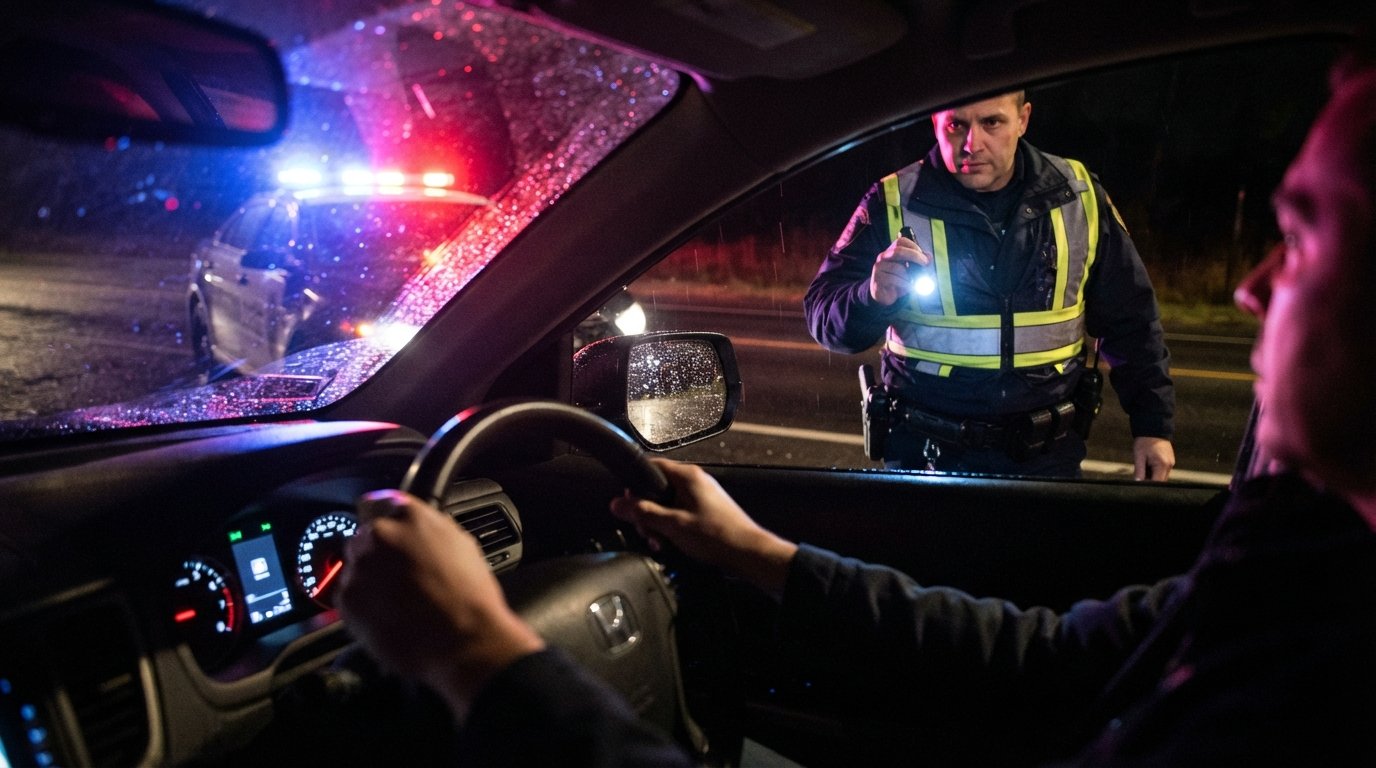
The flashing lights in your rearview mirror set off a chain reaction of questions. Did I have too much to drink? Should I cooperate? And most urgently: can you refuse a breathalyzer test during a DUI stop? The answer is not a simple yes or no. It depends on the type of test, the state where you are stopped, and the legal consequences you are willing to accept. Understanding these distinctions before you are ever in that situation can protect your rights, your license, and your future.
This guide explains the difference between field sobriety tests, preliminary breath tests, and evidentiary breath or blood tests. It walks through implied consent laws, the penalties for refusal, and the strategic considerations that attorneys weigh when defending DUI charges. It also points you toward resources that can connect you with a qualified DUI defense lawyer if you are already facing charges. FormsByLawyers is not a law firm, does not provide legal advice, and is not a substitute for hiring an attorney. The information here is educational only.
The Three Types of Tests at a DUI Stop
When an officer suspects you of driving under the influence, you may be asked to submit to more than one type of test. Each has different legal rules and different consequences for refusal. Confusing them is one of the most common mistakes drivers make.
Field sobriety tests are physical coordination exercises such as walking a straight line, standing on one leg, or following a pen with your eyes. These are not breath tests at all. In most states, you can decline them, though the officer may treat your refusal as a sign of impairment and use it as evidence in court. Preliminary breath tests, often called PBTs, are small handheld devices used at the roadside to estimate blood alcohol concentration. Evidentiary breath tests are the larger machines at the police station, and their results are admissible in court as proof of intoxication.
The critical distinction is between the preliminary roadside test and the evidentiary test after arrest. Many states allow you to refuse the preliminary test with limited consequences, but refusing the evidentiary test triggers automatic license suspension under implied consent laws. Some states treat both the same. A few states require you to submit to a preliminary test if the officer has reasonable suspicion. The rules vary widely, which is why blanket advice like always refuse or always comply can be dangerous.
What Implied Consent Laws Actually Mean
Every state has an implied consent law. By driving on public roads, you are deemed to have consented to a chemical test of your breath, blood, or urine if you are lawfully arrested for DUI. This legal fiction gives the state the power to punish you for refusal even before any criminal trial begins. The punishment is usually an administrative license suspension imposed by the department of motor vehicles, separate from any criminal penalties.
Implied consent does not mean you have no choice. You can still refuse. But the refusal itself carries consequences that are often more severe than failing the test. In many states, a first refusal leads to a license suspension of six months to one year, even if you are never convicted of DUI. Some states require an ignition interlock device for months after the suspension ends. A second refusal can lead to a suspension of two years or more and may be charged as a separate criminal offense.
It is also important to understand that implied consent applies only after a lawful arrest. If the officer has not arrested you, the legal basis for demanding an evidentiary test may not exist. However, officers often phrase requests in ways that blur the line between investigation and arrest. This is one reason why having a lawyer review the stop is essential. A skilled DUI attorney can examine whether the arrest was lawful, whether the implied consent warning was properly given, and whether the refusal was documented correctly.
Consequences of Refusing a Breathalyzer Test
The consequences of refusal fall into two categories: administrative and criminal. Administrative penalties come from the DMV and affect your driving privileges. Criminal penalties come from the court and can include jail time, fines, probation, and mandatory education programs. Refusing a breath test does not automatically prevent a DUI conviction, and in some cases it makes the prosecutor's job easier because the refusal itself can be used as evidence of consciousness of guilt.
Here is a general overview of what can happen after a refusal, though the exact rules depend on your state and your prior record:
- Automatic license suspension: Often longer than the suspension for a first-time DUI conviction, ranging from 90 days to one year or more.
- Ignition interlock requirement: Many states require an interlock device for six months to two years after the suspension ends.
- Enhanced criminal penalties: Some states charge refusal as a separate misdemeanor or use it to elevate a DUI charge to a higher level.
- Use of refusal as evidence: Prosecutors can argue to the jury that an innocent person would have taken the test.
- No guarantee of avoiding conviction: Police may seek a warrant for a blood draw, and the results can still be used against you.
These penalties apply even if you are ultimately found not guilty of DUI. The administrative suspension is a civil matter handled by the DMV, and it proceeds on its own timeline. In most states, you have only a short window, often seven to fourteen days, to request a hearing to challenge the suspension. Missing that deadline can result in a default suspension that is very difficult to undo.
When Refusing Might Make Sense
There are situations where refusing a breath test could be a reasonable strategic choice, but these are narrow and depend heavily on state law. If you have a prior DUI conviction, the penalties for a second refusal may be so severe that submitting to the test is the lesser evil. If you are confident your blood alcohol level is below the legal limit, taking the test may be the fastest way to clear your name. If the officer has not yet arrested you and your state treats preliminary tests differently from evidentiary tests, declining the preliminary test may be wise.
However, refusing without understanding the consequences is rarely a good idea. The decision should be made with the advice of an attorney, and in the moment of a traffic stop, you usually do not have that advice. This is why preparation matters. Knowing your state's implied consent rules, the difference between test types, and the penalties for refusal can help you make a more informed decision under pressure.
It is also worth noting that you cannot be forced to perform physical field sobriety tests in most states, and you cannot be forced to answer questions beyond identifying yourself. You have the right to remain silent and the right to counsel. Politely stating that you will not answer questions without a lawyer is not an admission of guilt. It is an exercise of constitutional rights. Officers may still arrest you, but your statements cannot be used against you if you invoke those rights clearly.
What Happens After a Refusal
After a refusal, the officer will typically read you an implied consent warning that explains the consequences. In some states, the officer must give you a chance to change your mind. In others, the refusal is final once stated. The officer will then confiscate your license or issue a temporary permit and begin the administrative suspension process. You may be released with a citation or taken to jail, depending on the jurisdiction and your cooperation.
Your first step after a refusal should be to contact a DUI defense attorney. The attorney can request a DMV hearing to challenge the suspension, review the police report for errors, and evaluate whether the stop or arrest violated your rights. Many DUI cases are won not by disputing the breath test result but by challenging the legality of the traffic stop, the accuracy of the testing device, or the officer's failure to follow proper procedures.
If you are facing DUI charges and need to find a lawyer, platforms like CarInjuryAccident connect individuals with a team of seasoned attorneys specializing in personal injury, bankruptcy, DUI, Social Security and Disability, and divorce. These resources can help you understand your options and take the next step toward building a defense.
How a DUI Lawyer Can Help
A DUI lawyer's job is not to help you escape responsibility. It is to ensure the state proves its case beyond a reasonable doubt and that your constitutional rights are respected. That includes the right to be free from unlawful stops, the right to counsel, and the right to confront the evidence against you. An attorney can file motions to suppress evidence, challenge the calibration and maintenance records of the breathalyzer, and cross-examine the arresting officer about the field sobriety tests.
In refusal cases, the attorney's focus often shifts to the administrative hearing. The DMV hearing is separate from the criminal case, and the burden of proof is lower. Losing the hearing means an automatic suspension, but winning it can preserve your driving privileges while the criminal case proceeds. An attorney can also negotiate with the prosecutor to reduce charges or arrange a plea that avoids jail time and minimizes license impact.
If you cannot afford a private attorney, you may qualify for a public defender. However, public defenders often carry heavy caseloads and may not have the time to investigate every detail of your case. It is worth exploring all options, including legal aid clinics and payment plans offered by private firms. The sooner you act, the more time your lawyer has to build a strong defense.
Common Myths About Breathalyzer Refusal
Myths about DUI stops spread quickly, and relying on them can lead to serious mistakes. One common myth is that refusing a breath test guarantees you cannot be convicted. In reality, prosecutors can use the refusal as evidence of guilt, and they can seek a warrant for a blood draw. Another myth is that you have no choice but to submit to every test the officer requests. In most states, you can refuse field sobriety tests and preliminary breath tests, though the officer may still arrest you.
A third myth is that the officer must read you your Miranda rights before asking you to take a breath test. Miranda rights apply to custodial interrogation, not to routine traffic stop questions or chemical test requests. Failing to receive a Miranda warning does not automatically invalidate a breath test result. A fourth myth is that you can refuse a blood test after a breath test. In many states, refusing any evidentiary test triggers the same implied consent penalties.
The best way to separate fact from fiction is to consult a lawyer who practices in your state. DUI laws change frequently, and court decisions can alter how they are applied. A lawyer who handles DUI cases daily will know the current rules and the local practices that can affect your case.
Steps to Take If You Are Stopped for DUI
If you are stopped on suspicion of DUI, your actions in the first few minutes can shape the entire case. Here are steps that can help protect your rights while remaining polite and cooperative:
- Pull over safely and stay in your vehicle. Turn off the engine, keep your hands visible, and avoid making sudden movements.
- Provide your license, registration, and insurance when asked. You are generally required to identify yourself, but you do not have to answer questions about how much you have had to drink.
- Politely decline field sobriety tests and preliminary breath tests if your state allows it. Say something like, I would prefer not to perform those tests without speaking to a lawyer.
- Do not resist arrest. If the officer places you under arrest, comply. Resisting can lead to additional charges and may be used against you later.
- Request a lawyer and remain silent. Once you are in custody, clearly state that you want to speak to an attorney and that you are invoking your right to remain silent.
These steps are not a guarantee of a favorable outcome, but they can reduce the amount of evidence the prosecution has to work with. They also show that you were not trying to hide anything, which can matter to a judge or jury. Remember that every state has different rules, so what works in one jurisdiction may not work in another.
Finding the Right Legal Help
If you have already refused a breathalyzer test or are facing DUI charges, you do not have to navigate the system alone. FormsByLawyers is a legal resources platform that connects individuals with third-party legal professionals who pay to promote their services. It is not a law firm, is not a lawyer referral service, and does not provide legal advice. However, it can help you request a no-cost, no-obligation case review with a qualified DUI attorney.
The platform uses a patented attorney selection process that identifies the top five percent of attorneys annually based on peer influence and research. It offers tools like Quick Quotes and Customized Quotes to help you assess your needs and connect with legal professionals in your area. Whether you are dealing with a first-time DUI charge, a refusal case, or a more complex criminal matter, having an experienced attorney on your side can make a significant difference.
Understanding whether you can refuse a breathalyzer test during a DUI stop is only the first step. The next step is to take action. Contact a lawyer, request a DMV hearing if applicable, and gather any documentation you have about the stop. The sooner you begin building your defense, the more options you will have.